Having begun his career bumming around the early London rock ‘n’ roll scene and putting out a regrettable album of Edwardian dancehall cheese, David Bowie came into the public consciousness as a folk singer of sorts and rapidly mutated into the Big Thing of the early 1970s: the glam rocker. Having developed a ridiculous cocaine habit and, seeing the writing on the wall for glam as a musical form, Bowie fled artistically to America where he absorbed black American music and reinvented himself as the funkiest near-albino to ever grace the world. While this brought him success, it was his move to Berlin and his reinvention into proto-ambient music and Krautrock that brought him to the high point of his artistic career. Now one of the biggest stars in the rock world, Bowie skewed hard towards the world of more general pop and decided to take on the musical world…
When the time came to record tracks for David Bowie’s 15th studio album, longtime producer Tony Visconti (who had produced every Bowie album since Low) set time aside in his calendar for the production, assuming he’d be on call again. When he called Bowie’s people, however, he received a rude awakening: Bowie was already in the studio with someone else, and Visconti’s services would not be necessary. Visconti, incensed, would refuse to work with Bowie again for the rest of the 20th Century.
That “someone else” turned out to be Nile Rodgers, former Sesame Street touring guitarist and, more notably, the driving force behind Chic, one of the most successful bands of the disco era. The reason Rodgers had been tapped to produce dates back to the outcome of Scary Monsters (And Super Creeps). With the delivery of that album, Bowie’s contract with RCA Records was fulfilled and he was a free agent. After negotiations, he was eventually signed by EMI Records for a then-staggering $17.5 million. This was a cause for major celebration, of course, until the inevitable thought process occurred: He would have to deliver music capable of paying back at least the amount EMI had spent on him, which meant that he needed guaranteed hits. Nile Rodgers, with Chic, had been responsible for some of the biggest singles of the late 1970s, and so he was tapped to come in and work his magic.
Bowie left the instruments alone, relegating himself to the role of being merely the singer on the album. He brought songwriting demos to the studio and Rodgers rearranged them to his own particular vision (which was typically not how Bowie had originally envisioned them). Much of the guitar work was handled by then-relatively unknown Texas bluesman Stevie Ray Vaughan, who was approached after Bowie caught his mind-bending performance at the 1982 Montreux Jazz Festival. Vaughan’s presence on the album makes for an oddly schizophrenic album, partly a dance-pop album of floor-fillers, and partly a cutting album of slippery blues guitar. It was, for 1983, a weird sort of combination (unless you were ZZ Top, of course) but it worked exceedingly well. The album sold scads, which did several things. First, it launched the mainstream part of Stevie Ray Vaughan’s career; second, it got Nile Rodgers a great deal more production gigs; and third, it locked Bowie into a certain sound that he would maintain for the bulk of the Eighties, with diminishing returns.
Let’s Dance, taken on its own, is the bulls-eye of Bowie’s mercenary pop style. The first half is wall-to-wall brilliance: “Modern Love” has the sort of swing that pervaded Lodger, amped up and driven through the stratosphere; “China Girl” is slinky and exotic, with Bowie’s admonishment to “just you shut your mouth” being oddly exciting; “Let’s Dance” has found a home on every great alternative club-night playlist; “Without You” bounces along with an odd gait all it’s own. The back half loses steam but remains deeply competent, bopping along with some of the best blues-dance tracks ever conceived. It’s hard to consider it a Bowie album, per se, since a lot of the sound and strength of the album comes from other people, but vocally it’s not as though it weakens the man’s legend at all. Far from it, in fact; his alien voice was at odds with what was considered commercially viable in the greater mainstream at the time, and it opened up the possibility of the weird becoming saleable.
Immediately following the wrap of the tour behind Let’s Dance, Bowie hit the studio and began the recording process for the next album, hoping to maintain his new mainstream audience and keep himself relevant in the pop world. Tonight, as the album came to be called, was the second album in a row where Bowie played no instruments. Eight of the nine songs were again brought into the studio as demos and mutated into the songs as they are presented in final form. Hugh Padgham (who would produce Phil Collins, Peter Gabriel, The Human League, and Sting) was brought into produce, although Iggy Pop would end up helping extensively in the studio as well.
Tonight is an album that has received some very scattered reviews over the years. It’s not anywhere near as bad as contemporary critics would have you believe, and it’s an album that brings to mind some lines critics have used about him in the past. Robert Christgau once called him “a habitue of prematurely abandoned modernist spaces” and “post-middlebrow”. Reviews of Let’s Dance referred to it in places as being “post-disco”. All of these are true of Tonight, only with regards to the sounds that Padgham used on it, it can be said that it was Bowie that prematurely abandoned them; the gated-reverb effect on the drums would go on to be a staple of AOR hits, especially by Phil Collins (whose “In The Air Tonight” would use it as the primary musical delivery system). It’s post-disco nature is more easily discernible from a contemporary standpoint; the drums and bass remain in the pocket, while the arrangements go beyond the nightclub shuffle and cobble together a sort of ramshackle reggae tone. “Don’t Look Down” is the best example of this tendency towards reggae, but its jagged rhythms show up to a greater or lesser extent on many of the tracks here.
The key difference between Let’s Dance and Tonight is the return of Carlos Alomar to playing guitar; the lack of Stevie Ray Vaughan means that the strangely appealing dance-blues combination of the former is missing in the latter. Tonight papers over the top-notch guitar work with plastic pop synthesizer work and dollops of soul; while it works, on the whole, it doesn’t work anywhere near as well as Let’s Dance did. In the end it comes across a fairly standard pop album for the mid-Eighties, albeit one where Bowie brings his own personality in to bring it up above the cut.
After the middling commercial response and abysmal critical response to Tonight, Bowie returned the studio two years later to “return to the basics of rock ‘n’ roll” – small band, tight arrangements, and a more Scary Monsters set of experimentation. He returned to playing instruments, laying down keyboards, rhythm guitar, and lead guitar as well as singing on everything. He went in with songs that he felt strongly about, and a heady sense of experimentation that he’d really been lacking for seven years.
The result was incoherent and lackluster. The songs did not come out the way they had been originally conceived in Bowie’s head. By his own admission they were good songs that he “abused” in the studio. Never Let Me Down tries to fire in every direction at once and misses the mark most of the time, allowing what are admittedly really good songs drown in indifferent production. By 1993 Bowie admitted that this particular problem with Never Let Me Down was his fault; he’d tuned out of the recording process early on and left the production up to his assembled band, lending the affair a “session player” sort of vibe. Thus, everything feels far more overproduced than is necessary. The social justice cry of “Day In Day Out” and the topical intensity of “Time Will Crawl” are lost in the scars of dated Eighties instrumentation. The epic nature of “Glass Spider” is muted due to the overdone drums, the sugary synths, and the ill-timed and oddly brief guitar solo. A lot of the time, while listening to these songs, you can’t help but wonder what they’d sound like if the Bowie of Low or even Scary Monsters had recorded them. The easiest way you can tell that Never Let Me Down is the nadir of his career, however, is that he let Mickey Rourke rap on it.
The (relatively) poor commercial showing of Never Let Me Down and the subsequent critical panning of the theatrical Glass Spider Tour nearly caused Bowie to give up on music for good. By the end of 1987 he just wasn’t feeling it anymore. It would take a return to loud, basic guitar rock dynamics (as he’d intended for Never Let Me Down) to bring him back into the artistic fold.
Following the Glass Spider tour (a critical bust), Bowie was at the low point of his career. Lower than the first David Bowie, even. Trying to find his way to his own vision again, he fell in with guitarist Reeves Gabrels after hearing a tape of Gabrels’ playing. At a wrap party for the Glass Spider tour, Bowie ran into Tony Sales, whom he had played with in the 1970s, along with Tony’s brother Hunt and Iggy Pop. Tony and Hunt – the sons of comedy legend Soupy Sales – were roped into a new musical project along with Reeves Gabrels, the intent being to help all of them (but especially Bowie) find a new way forward in music.
From the beginning the band was a band – democratic input, everyone writing songs, no one letting David Bowie overshadow the proceedings. Tin Machine, the first album from the new band, is unlike anything Bowie had done before. There are elements of the past on it – inspirations from the likes of Jeff Beck, Eric Clapton’s work with Cream, and Jimi Hendrix – but there is also more than a whiff of the present of 1989 in the sense that college rock (especially the legendary Pixies) were a big inspiration on the music. The low-key, desert-night guitar notes in the chorus of “Prisoner Of Love” are a great example of a line that seems lifted wholesale from the brain of Joey Santiago. The raw stomp of “Crack City” was inspired by the band’s recording sessions in Nassau, a city which was apparently awash in poverty and crack.
The real problem with Tin Machine is that it tries too hard to present a vision of “back-to-basics hard rock and roll”. Part of this is the fact that it was made in 1989 and as such it suffers primarily from the overproduction of the time. The guitars take up too much space in the mix, there’s too much time given to Bowie’s voice when it’s unnecessary, and the drums have that peculiar contemporary sound where they sound very loud and very flat at the same time. The guitar solos that pop up are blues-riffs-by-number, like Gabrels decided to sketch out a regurgitated idea of what Stevie Ray Vaughan had been doing. All of these problems come to a head on the ill-advised cover of “Working Class Hero”, which drags down the rest of the album sharply. Still, “Bus Stop” and “Video Crimes” bring life back, saving the album from being a regrettable artifact of an earlier age. Tin Machine is pretty hit-and-miss, but the important thing is that the band sounds like it’s having a lot of fun, and it put Bowie back on the right path as his career entered the 1990s.
Immediately better than Tin Machine, Tin Machine II dials back on the blare and the clatter and focuses on the good parts of the Bowie-Sales-Gabrels combination. Take “Baby Universal” as the indicator for the entire album: those quick-wrist drum fills would have been overbearing in 1989; by 1991, they had been set back into the mix so that their impact is felt rather than avoided. Gabrels had spent the time between albums getting into Nine Inch Nails’ debut Pretty Hate Machine, and the influence is felt in subtle ways throughout. There is less rote-blues riffing going on, and more creativity with how the guitar is presented as an instrument. While the album outdid its predecessor in an artistic sense, it was in a more important sense a commercial failure, barely cracking the US charts (although “One Shot” was a minor hit on modern rock radio). Tin Machine II would be the last album by the band after contemporary critics unfairly savaged the album and the public reaction never rose above tepid. Still, the band did it’s job; two years later Bowie would resume his solo career in much better form than when he’d put it on hiatus.
David Bowie in 1987 was an artist who was spent. Having released three albums that were wired to what he perceived the mainstream wanted, his artistic vision had taken a backseat to sales with increasingly poor results. David Bowie in 1993 was a completely different animal. Having spent some time bashing out hard rock basics with Tin Machine, and “retiring” his old hits on the 1990 Sound And Vision Tour, he was a clean slate ready to get back to what it meant to be “David Bowie”. Black Tie White Noise is the first entry in that neo-Bowie canon, and its beginnings go back to 1991, when Bowie ran into Nile Rodgers after a Tin Machine show in New York. Rodgers would be brought in to produce, but explicitly not to rehash Let’s Dance. The idea they hatched was to take the ideas of house and R&B and reinject the melodicism of the 1960s into them.
This idea is more or less translated into reality. “The Wedding”, kicking off the album, gives a mutated take on the machine-like relentlessness of the house beat, filtered through a wah-soaked saxophone-fueled Seventies haze. “Black Tie White Noise” appropriates the syncopated beat and some of the instrumentation of New Jack Swing. “Jump They Say” and “Nite Flights” have the clatter of classic rave drums, with squelching synthesizers and more of that saxophone. Saxophone was actually the instrument Bowie chose to concentrate on for the album; despite the fact that he is not a “saxophonist” per se, his take on the instrument is interesting and fits well into the arrangements. The jazz-fever bursts he spits out on “Jump They Say” is evidence of this: it works very well in the context of the song despite the fact that he is untrained. The sax is used as colour and texture, more so than as a display of technical virtuosity. Also of note is the presence on guitar of Mick Ronson, who had been the guitarist for the Spiders From Mars; it would be the last album he would appear on, as he would die of cancer 19 days after the release of the album.
Much of the album is coloured by the fact that he had just been married; he and his wife (Somali supermodel Iman) were shopping for houses in Los Angeles on the day of the Rodney King verdict. The experience of the subsequent riots gave rise to the title track, an examination of the difficulty in healing the wounds of the racial divides of America (a divide Bowie himself had noted as far back as Aladdin Sane). Also like Aladdin Sane is the spiritual presence of his stepbrother Terry, who had been hospitalized for schizophrenia in the 1980s and had recently committed suicide. The “divided nature of the mind” that had been Bowie’s philosophical impetus for Aladdin Sane had been inspired by Terry, and on Black Tie White Noise the songs “Jump They Say” and the cover of Cream’s “I Feel Free” were inspired by him as well. “Jump They Say” was semi-biographical; “I Feel Free” stems back to a Cream show that Bowie had taken Terry to where his stepbrother had suffered a freakout during the song. The bookend tracks – “The Wedding” and “The Wedding Song” – as well as the sax-blasted English rave of “Pallas Athena” were written as part of the wedding music he’d penned for his marriage to Iman. The latter became a club hit in America after an anonymous remix was released.
Black Tie White Noise was the first to get the tag of “His best since Scary Monsters!” although it would not be the last. Oddly, however, Bowie chose to release the album on Savage Records, a startup label that went bankrupt almost immediately; consequently, the album would be quickly out of print despite its #1 peak in the UK, and would remain so until reissues in the late 1990s.
The Buddha Of Suburbia
★★★
Released November 8th, 1993 on EMI Records
The Buddha Of Suburbia is a bit of a lost record in Bowie’s discography. The problem is one of confusion. In 1993 Bowie did the soundtrack to a four-episode BBC2 adaptation of Hanif Kureishi’s novel The Buddha of Suburbia. After making the soundtrack, he decided to further explore the ideas he’d gotten into on the soundtrack on an album, which he decided he’d also call The Buddha Of Suburbia. Despite the fact that the soundtrack and the album only share the title track in common, the album was categorized as a soundtrack and thus got no marketing or exposure. Making matters even more confusing is the essentially soundtrack-like nature of the album. There’s quite a few ambient moments that harken back to Bowie’s work with Brian Eno in the late 1970s. Elsewhere there is a great deal of jazzy piano, electro-influenced drums, and strange, repetitive vocal filters (as on the excellent “Sex And The Church” or the rather dated “Bleed Like A Craze, Dad”). “Strangers When We Meet” and “Dead Against It” are more pop-oriented tracks, the latter being an electronic-oriented dream pop song that would point the way towards where he would be heading for the rest of the decade. Buddha isn’t an essential album by any means, but it is a neat bit of back catalog record-making, and it makes for a nice find when mining Bowie’s discography.
Outside marks the return of David Bowie to bizarre conceptual art-rock, as well as his return to working with Brian Eno. Eno and Bowie reconnected at Bowie’s wedding when the two took turns playing their own music on the dancefloor. After deciding to collaborate on an experimental album, they visited a mental institute in Austria and did some research on outsider art. Using this as an inspiration, they dove into their own heads, utilized cut-up techniques a la what Bowie was doing in the late 1970s, and crafted a story about a dystopian 1999 where the latest fashionable craze in art was carefully arranged murder. Nathan Adler, the protagonist of Outside, investigates the art-murder of 14 year old Baby Grace and delves into madness.
With the story as an anchor of sorts, it’s up to the music to keep things interesting, and in that Outside is sort of a mixed bag. On one hand, Bowie melds his particular pop vision – something he’d been refining since the early 1980s – with the Berlin Trilogy ambient work and also with flourishes of electronic and industrial influences. It’s no wonder that Trent Reznor remixed “The Heart’s Filthy Lesson”, as it seems tailor-made for him to do so. The same could be said of the corrosive “Hallo Spaceboy”, but Pet Shop Boys beat him to it and remade it into a driven house epic. The direction Bowie was heading in on Outside was one that seemed like a perfect fit for him; his odd nature, alien voice, and art-damaged sensibility made him a natural candidate for the acidic nature of industrial rock and the darker aspects of electronic dance music. On the other hand, Outside is, at 75 minutes, far too long to be effective. Bowie knew it at the time, stating after its release that he really should have made it two albums. The segues and story-driving interludes become a slog after a while, and tracks like “The Motel” seem to be dragged out for too long in the ambient portions before the harder-hitting bits kick in. So while it works as an interesting concept, and it contains a number of great songs that point to Bowie’s continuing comeback into critical good graces, it’s too long to be considered a truly great album.
After Outside, Bowie had plans to make an album per year until the year 2000, talking about the unprecedented opportunity to document the end of the millennium. Despite his initial enthusiasm for the idea, nothing of the sort ever emerged; the reality of having to carry the storyline of Outside for another five years perhaps relegated this idea to the bin of “Good, But Impractical”. Instead, following a 1995 tour with Nine Inch Nails, Bowie followed it up with Earthling, a galvanizing record that found him ditching the contrived concepts and embracing both the industrial noise-pop he’d been interested in and the jungle and drum n bass sounds that were permeating the English dance scene by the latter half of the Nineties.
Perhaps the most interesting thing about Earthling is that Bowie produced it himself, his first such effort since Diamond Dogs. Unlike Diamond Dogs, Earthling is really quite good. Bowie gets the textural possibilities behind clattering breakbeats in the same way that Black Tie White Noise showed he got the idea behind the saxophone, if not the technical virtuosity. His adherence to the styles he was mining went beyond mere sampling, as well; drummer Zac Alford worked out all of the loops heard on the record, and his drum tracks were then sped up to DnB speeds and chopped. His obvious fascination with the musical forms that he plays with here also led him to pen some of the strongest melodies he’d had in years (tellingly, Rolling Stone would refer to the album as “his best since Scary Monsters). Unlike the atmospheric drudgery of Outside, Earthling is full of songs that sound like David Bowie, in a way that he hadn’t in nearly two decades. Every song hits hard and sticks like the first half of Let’s Dance, but unlike that album the second half doesn’t flag. Instead, “I’m Afraid Of Americans” waits near the end of the album to trip up the unwary listener who thinks they’ve got the album figured out.
As a fifteen year old in 1997 with more than a passing interest in Nine Inch Nails and groups like the Prodigy, the Lost Highway soundtrack was something that was in my collection. The entry point was, of course, Trent Reznor’s “The Perfect Drug”, but the highlight was this stomping industrial number called “I’m Afraid Of Americans” by a guy we’d really only been aware of as a presence on the classic rock channels our parents glued the radio to in the car. It was my first impression of Bowie as an artist, rather than as the guy who sang “Suffragette City”.
Also of note on Earthlings is Bowie’s embrace of the art of the remix; the extended version collects all of the disparate remixes of the singles, among them Junior Vasquez, Moby, and Trent Reznor. The single “Telling Lies” was originally released to be remixed before the album came out; it was made available on Bowie’s website, a move that made history. “Telling Lies” was the first single by a major mainstream artist that was made available for download on the internet, and Bowie would continue this pioneering spirit into his next album.
‘hours…’ is the exact opposite of Earthling. It suffers from the same problems that a lot of contemporary albums had: the soggy, saccharine strings, the rote drum-machine patterns that everyone used, the sub-Matchbox 20 guitar work (seriously, check out the beginning of “If I’m Dreaming My Life” and tell me you don’t think Rob Thomas is going to come busting out of it). Bowie sounds tired on it, his voice lagging and stretching out unnecessarily over a series of samey, adult-contemporary arrangements. While it’s not “embarrassing”, as Ryan Schreiber put it (Ryan Schreiber, for whom anything that’s not hip in Brooklyn is embarrassing), it is distressingly boring, something that Bowie has never really been throughout the course of his career.
There are some highlights, of course. “Seven” is a good ballad in the vein of early pre-Spiders Bowie – it would likely have fit comfortably on Hunky Dory. It also smartly avoids the contemporary Robbie Williams pop tropes that mar a great deal of the record. “What’s Really Happening” features a melodic tease and a throwback to something like what might have been a solid track on The Man Who Sold The World. “The Pretty Things Are Going To Hell” almost reclaims the energy and excitement of Earthling, but Bowie’s voice comes across as too obscured and the squealing guitar lines seem more of an anachronism, something more Tin Machine than David Bowie at the end of the 20th Century.
In the end ‘hours…’ is really only notable for being the first album by a major artist available for purchase and download online. It was released digitally on the date noted above, two weeks before the physical CD was available.
David Bowie’s first foray into the 21st Century found him accepting the process of aging and focusing more on the degradation of the human race than on the degradation of himself. If ‘hours…’ interminable Millenium-scarred slog was an examination of the exhaustion that Bowie felt by the end of the Nineties, Heathen finds him waking up in the evening, somewhat refreshed but feeling a little spacey despite it. “Sunday” and “Slip Away” deal with the fear of aging; “Slow Burn” and “A Better Future” draw inspiration from the events of 9/11. Heathen, at the time of its release, was talked up as “Bowie’s response to 9/11”, but this is inaccurate in that most of the album was recorded before September of 2001. “Afraid”, “I Would Be Your Slave”, “5.15 The Angels Have Gone”, and “Everyone Says Hi” are more about trying to find the threads of the past in the muddle of the present than they are about dealing with the aftermath of a terrorist attack on America. The three covers are rather interesting: “Cactus”, a Pixies song about obsession, “I’ve Been Waiting For You”, a Neil Young song from his self-titled debut that Bowie recorded with Dave Grohl playing guitar; and “I Took A Trip On A Gemini Spaceship”, originally by The Legendary Stardust Cowboy, an outsider-art musician that had been a direct influence on the Ziggy Stardust character.
Musically, Heathen marks the return of Tony Visconti to producing, which he hadn’t done for Bowie since Scary Monsters. As such, the backing tracks are elegant, subtle, and well-constructed, allowing the focus to be on Bowie’s songs rather than on any particular musical style. AllMusic, naturally, called it “his best since Scary Monsters“. It doesn’t sound like any particular Bowie album but it contains fragments of his older music. The problem here is that the originals start to sound similar after a while: strings, subtle guitar, understated drum work, and Bowie lingering over each line like a regretful European chanteuse (which is almost assuredly what he was going for). Individually that makes for a fine listening experience; taken as a total it gets to be a bit much.
Reality
★★★★
Released September 16th, 2003 on ISO/Columbia Records
Work on Reality began as production for Heathen was being wrapped up, as he was once again in one of those periods where the writing was coming fast and furious. It’s also immediately more energetic than the lingering death-dream of Heathen; “New Killer Star” kicks off with a relentless, elastic guitar figure and a slinky nature that Bowie had been missing since the Eighties. “Never Get Old” flips the script on the obsession with mortality that Bowie had been labouring under since the end of the Nineties; “Looking For Water” has a serious stomp to it; “Fall Dog Bombs The Moon” brings the calendar back to the late 1970s like something from Heroes. To back up this newfound vigour, Bowie spins out themes of “post-philosophy”: the recognition that the truths of the path are fading and that the new truths of the modern age have yet to be fully discovered and understood. Politics is moving beyond rational grounding and knowledge is no longer the currency of the greater public discourse. Reality manages to seem adventurous while being rooted deeply in Bowie’s past, and it makes the case that the Bowie/Visconti pairing was really the best of his many partnerships.
Predictably, the BBC referred to it as “his best since Scary Monsters“.
For ten years there was nothing, and in general it was thought that Bowie had quietly retired. After all, he’d suffered a heart attack on stage during the Reality Tour and had been forced to cancel the remaining 14 dates. Since then he’d spent his time recording vocals as backing for other people, performing short one-off dates, and keeping on the whole fairly quiet. Some time around 2010, however, Bowie and Tony Visconti got back into the studio. It was kept ultra-secret, to the point of requiring anyone coming into the studio to work with him to sign non-disclosure agreements. During one recording session at NYC’s The Magic Shop in 2011, Emily Haines of Metric apparently showed up unannounced wanting to check out the studio and very nearly got in; she was turned away with no explanation.
Here’s the thing about The Next Day, though: Bowie has always had a flair for the theatrical, but there haven’t been that many moments since 1980 that have warranted that theatricality. Let’s Dance was a better album than it perhaps had a right to be, Earthling was a near-perfect amalgam of Bowie and the electronic underground, and Reality was really quite good, but it’s not until The Next Day that Bowie’s later career brings an album that matches the sort of quality that the end of the first half of his career gave us. The Next Day feels like Bowie leapt from Heroes straight to 2013, skipping the intervening years – musically, at any rate. While it lacks the deeply unsettling edge that 1977 had, it feels as comfortable and familiar as that year does from the remote perspective of the first quarter of the 21st Century. Even the album art seems to indicate this leap: it’s the cover of Heroes, with “Heroes” crossed out and a big white square labeled “The Next Day” slapped over top. If there’s a clearer sign that Bowie was looking to get back into the mindset of where he’d been in the late 1970s, I fail to understand what it could be.
It doesn’t always work, of course. “Boss Of Me” feels too cutesy for words, despite it’s swirling arrangement; “Dancing Out In Space” tries for the same dramatic abandon that colours “Boys Keep Swinging” and largely fails. Still, at least half of the album is excellent and the other half is strong; there are no truly bad moments on The Next Day unlike nearly every album since Let’s Dance. There is the ghost of the drag that mired parts of Heathen, but it’s dressed up in such stellar retro clothing that it’s more ghostly than insipid. It’s the strongest record of Bowie’s late-career renaissance – combining the fervor of his old self with the more refined sensibilities of his new self. The man may have turned 66 the day he announced the album, and he may have spent the fifteen years previous dreading growing old, but when it comes to The Next Day, age is nothing but a number and David Bowie is forever.
David Bowie’s 26th album, Blackstar, will be released January 8th, 2016 on ISO/RCA/Columbia
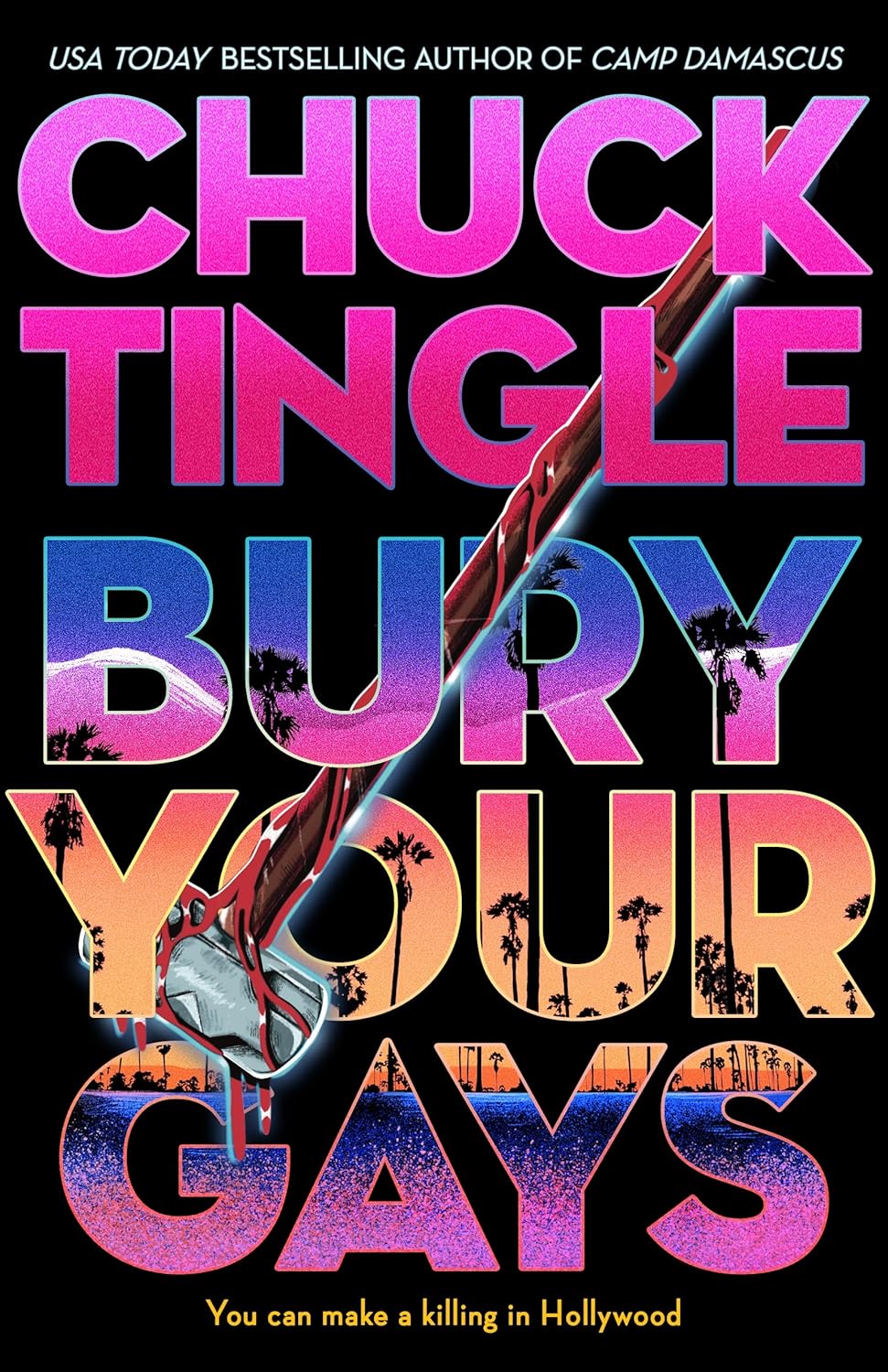
The instant USA Today bestseller by Chuck Tingle about what it takes to succeed in a world that wants you dead.
“Brilliantly bloody, wildly fun, and extremely scary, Bury Your Gays brings a sledgehammer down on tired tropes and makes a masterpiece of their guts.”―Rachel Harrison, national bestselling author of Black Sheep
Misha knows that chasing success in Hollywood can be hell.
But finally, after years of trying to make it, his big moment is here: an Oscar nomination. And the executives at the studio for his long-running streaming series know just the thing to kick his career to the next level: kill off the gay characters, “for the algorithm,” in the upcoming season finale.
Misha refuses, but he soon realizes that he’s just put a target on his back. And what’s worse, monsters from his horror movie days are stalking him and his friends through the hills above Los Angeles.
Haunted by his past, Misha must risk his entire future―before the horrors from the silver screen find a way to bury him for good.
One of the Best Horror Books of 2024 by Esquire!
One of the Best Books of Summer 2024 by Paste, HuffPost, Esquire, and Publishers Weekly!
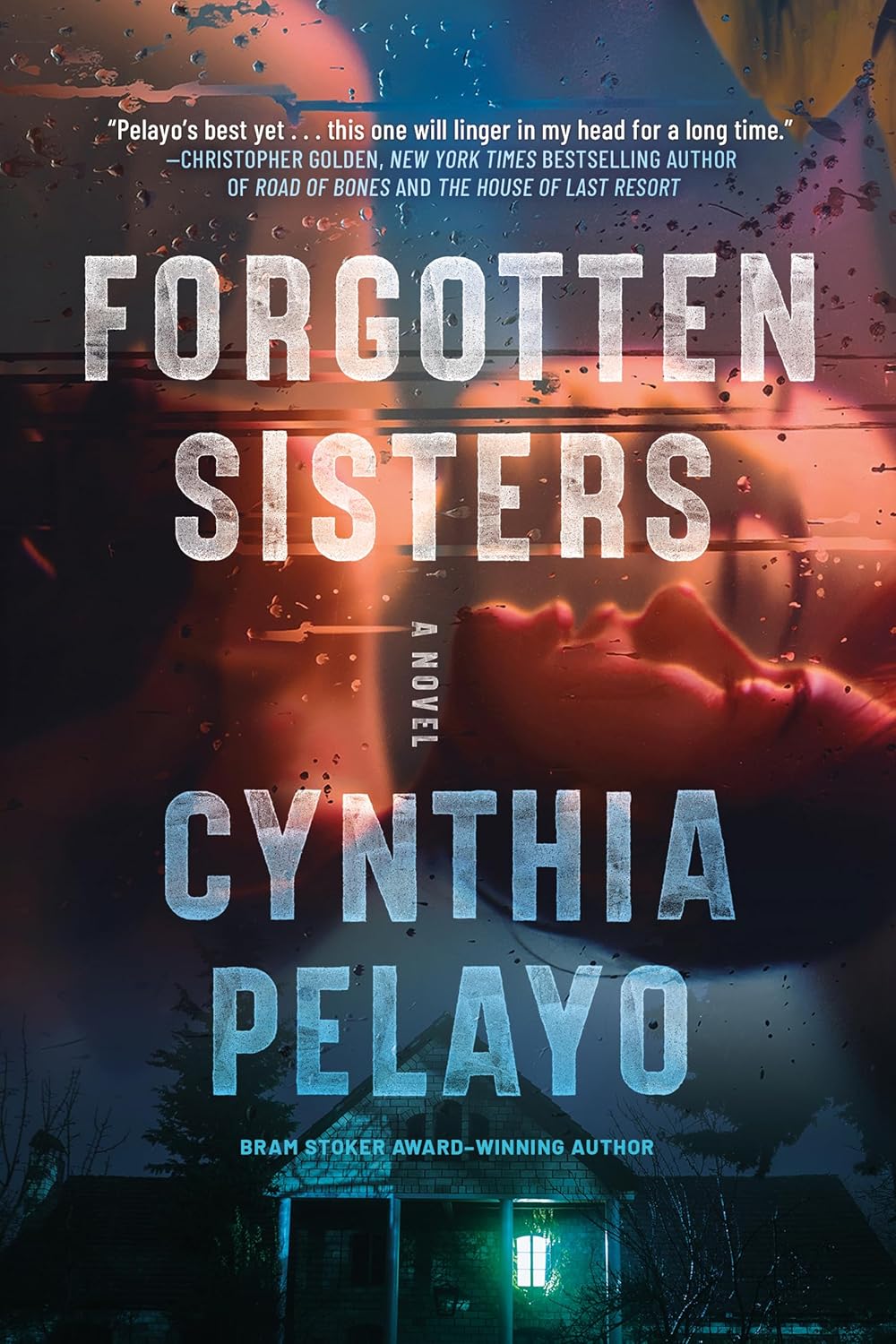
Forgotten Sisters
Forgotten Sisters
Cynthia Pelayo (Thomas & Mercer)
A city’s haunted history and fairy-tale horrors converge for two women in an addictive novel of psychological suspense by a multiple Bram Stoker Award–nominated author.
Sisters Anna and Jennie live in a historic bungalow on the Chicago River. They’re tethered to a disquieting past, and with nowhere else to go, nothing can part them from their family home. Not the maddening creaks and disembodied voices that rattle the old walls. Not the inexplicable drownings in the area, or the increasing number of bodies that float by Anna’s window.
To stave off loneliness, Anna has a podcast, spinning ghostly tales of Chicago’s tragic history. But when Anna captures the attention of an ardent male listener, she awakens to the possibilities of a world outside.
As their relationship grows, so do Jennie’s fears. More and more people are going missing in the river. And then two detectives come calling.
They’re looking for a link between the mysteries of the river and what’s housed on the bank. Even Anna and Jennie don’t understand how dreadful it is―and still can be―when the truth about their unsettled lives begins to surface.
The instant USA Today bestseller from CJ Leede, author of Maeve Fly―a scorching and sweeping new novel about the end of the world as we know it.
One of Esquire and Vulture’s Best Horror Books of 2024 • A GoodReads and Publishers Weekly Editors’ Pick • An Indie Next Pick!
“A blistering, feverish ride through a uniquely American apocalypse.”―Chuck Wendig, New York Times bestselling author
A virus is spreading across America, transforming the infected and making them feral with lust.
Sophie, a good Catholic girl, must traverse the hellscape of the midwest to try to find her family while the world around her burns. Along the way she discovers there are far worse fates than dying a virgin…
“I’ve loved Maggie Thrash’s work for years, and Rainbow Black is going to set so many new hearts aflame—murder, intrigue, queer love, dark humor AND satanic panic? Welcome to the Maggie Thrash Fan Club, world!”—Emma Straub, New York Times bestselling author of This Time Tomorrow
For readers of Donna Tartt and Ottessa Moshfegh comes a brilliant, deliriously entertaining novel from the acclaimed author of Honor Girl. Rainbow Black is part murder mystery, part gay international fugitive love story—set against the ’90s Satanic Panic and spanning 20 years in the life of a young woman pulled into its undertow.
Lacey Bond is a 13-year-old girl in New Hampshire growing up in the tranquility of her hippie parents’ rural daycare center.
Then the Satanic Panic hits. It’s the summer of 1990 when Lacey ’s parents are handcuffed, flung into the county jail, and faced with a torrent of jaw-dropping accusations as part of a mass hysteria sweeping the nation. When a horrific murder brings Lacey to the breaking point, she makes a ruthless choice that will haunt her for decades.
As an adult, Lacey mimes a normal life as the law clerk of an illustrious judge. She has a beautiful girlfriend, a measure of security, and the world has mostly forgotten about her. But after a tiny misstep spirals into an uncontrolled legal disaster, the hysteria threatens to begin all over again.
Rainbow Black is an addictive, searing, high-octane triumph, an imaginative tour de force about one woman’s tireless desire to be free.
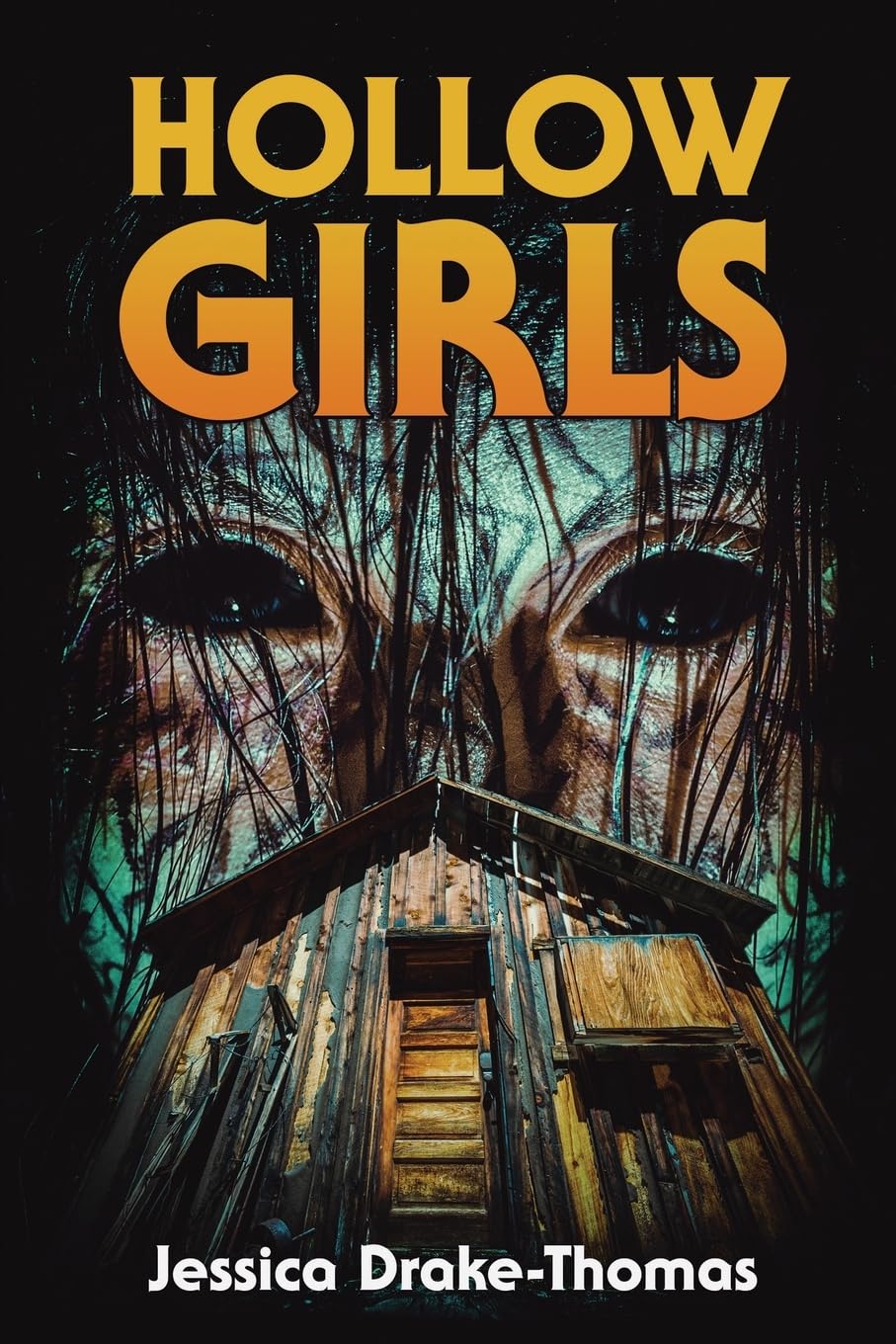
Twenty four years ago, Olive and Stacia went into the woods. Only Olive returned, with no memory of what happened. Now, Olive’s father has vanished, leaving behind research which indicates that he has found out what lives in the woods.
It wakes up every twelve years, taking only children. It has been doing so for at least two hundred years. And it is waking again.
Forced to return to her hometown, Olive finds her memories returning.
What she remembers from the days leading up to Stacia’s disappearance is magical, almost impossible to believe, but she knows that she must return to the woods–to face what lurks there, to save her father, and to find out what happened to Stacia.
“Beautiful, poetic, and gutting. Hollow Girls is a captivating novel that will lure you deep into the woods where magic and darkness entwine. There is so much heart to this story of friendship and blood where oaths and secrets continue to unravel until the very last page. Bring an offering to the Fae, and come along on this memorable journey.”
–Sara Tantlinger, Bram Stoker Award-winning author of The Devil’s Dreamland.
Winnie Campbell is sixteen and a burgeoning serial killer. Her father blames her for her mother’s death, dotes on her little sister, and executes increasingly cruel punishments meant to humiliate Winnie. As the punishments morph into torture, she begins fantasizing about regaining some semblance of power, eventually working through her rage by killing small animals.
When her violent games escalate and she accidentally kills an infant while babysitting, Winnie gets a taste of a power she doesn’t want to let go of. Her obsession with killing grows, and so does her fascination for Leigh, a girl that reminds her of her younger self.
Winnie wants to kill. She wants to die. She wants to be someone other than herself. And killing Leigh, a symbolic suicide, could be the key to her metamorphosis.
“A shocking and utterly harrowing examination of the creation of a murderer. Although Crushing Snails excels in many areas, this novel is perhaps most skillful at effectively illustrating the very human compulsion for violence and depravity. Murray’s excellent novel showcases the very human possibility of carnage—the horrifying prospect of brutality—when curiosity is sated and when we finally surrender to our most feral desires.”—Eric LaRocca, author of Things Have Gotten Worse Since We Last Spoke
“Masterfully executed and chilling to the core, Crushing Snails is a terrifying look into the darkest depths of the human mind and the ways in which monsters are formed. With the intensity level set to high, Murray draws you into complicity as you witness one girl’s spiral into obsession and depravity, culminating in a horrifying conclusion you’ll never forget.”—Kelsea Yu, Shirley Jackson Award-nominated author of Bound Feet
“A nightmare of power and control, or perhaps even something more wayward. Crushing Snails is provocative and demanding, spiraling and unapologetic. Emma Murray is an exciting emerging voice in horror challenging what is normal and what is safe.”—Cynthia Pelayo, Bram Stoker Award-winning author of Crime Scene
“Sick, twisted, and compulsively readable—Emma E. Murray’s Crushing Snails is a coming-of-age story that goes to dark and darker places, leaving me constantly hanging between two modes of thought: one-more-chapter and holy-fucking-shit.”—Carson Winter, author of The Psychographist
A woman checks herself into an insane asylum to solve the mystery of her sister’s murder, only to lose her memory and maybe her mind.
From the subversive voice behind The Phlebotomist comes a story that combines the uncanny atmosphere of Don’t Worry Darling with the narrative twists of The Last House on Needless Street
What would guilt make you do?
Hadleigh Keene died on the road leading away from Hollyhock Asylum. The reasons are unknown. Her sister Morgan blames herself. A year later with the case still unsolved, Morgan creates a false identity, that of a troubled housewife named Charlotte Turner, and goes inside.
Morgan quickly discovers that Hollyhock is… not right. She is shaken by the hospital’s peculiar routines and is soon beset by strange episodes. All the while, the persona of Charlotte takes on a life of its own, becoming stronger with each passing day. As her identity begins unraveling, Morgan finds herself tracing Hadleigh’s footsteps and peering into the places they lead.
The terrifying reality of The Redemption of Morgan Bright unfolds over the course of chapters told from the points of view of both Charlotte and Morgan, police interviews, and text messages.
Once there were four Lasco siblings banded together against a world that failed to protect them. But on a hellish night that marked the end of their childhood, eldest brother Shawn died violently after being dragged behind closed doors. Though the official finding was accidental death, Nathan Lasco knows better, and has never forgiven their mother, Stella.
Now two decades later, Stella promises to finally reveal the truth of what happened on The Day of the Door. Accompanied by a paranormal investigative team, the Lasco family comes together one final time, but no one is prepared for the revelations waiting for them on the third floor.
The final installment in the most lauded trilogy in the history of horror novels picks up four years after Don’t Fear the Reaper as Jade returns to Proofrock, Idaho, to build a life after the years of sacrifice—only to find the Lake Witch is waiting for her in New York Times bestselling author Stephen Graham Jones’s finale.
It’s been four years in prison since Jade Daniels last saw her hometown of Proofrock, Idaho, the day she took the fall, protecting her friend Letha and her family from incrimination. Since then, her reputation, and the town, have changed dramatically. There’s a lot of unfinished business in Proofrock, from serial killer cultists to the rich trying to buy Western authenticity. But there’s one aspect of Proofrock no one wants to confront…until Jade comes back to town. The curse of the Lake Witch is waiting, and now is the time for the final stand.
New York Times bestselling author Stephen Graham Jones has crafted an epic horror trilogy of generational trauma from the Indigenous to the townies rooted in the mountains of Idaho. It is a story of the American west written in blood.
“Simply put—and I do not say this lightly—Incidents Around the House is the most purely effective horror novel I have ever read.”—Neil McRobert, Esquire (Best Horror Books of 2024, So Far)
A chilling horror novel about a haunting, told from the perspective of a young girl whose troubled family is targeted by an entity she calls “Other Mommy,” from the New York Times bestselling author of Bird Box
“This book isthe monster that lives inside your closet.”—Grady Hendrix, New York Times bestselling author of How to Sell a Haunted House
To eight-year-old Bela, her family is her world. There’s Mommy, Daddo, and Grandma Ruth. But there is also Other Mommy, a malevolent entity who asks her every day: “Can I go inside your heart?”
When horrifying incidents around the house signal that Other Mommy is growing tired of asking Bela the question over and over, Bela understands that unless she says yes, her family will soon pay.
Other Mommy is getting restless, stronger, bolder. Only the bonds of family can keep Bela safe, but other incidents show cracks in her parents’ marriage. The safety Bela relies on is about to unravel.
But Other Mommy needs an answer.
Incidents Around the House is a chilling, wholly unique tale of true horror about a family as haunted as their home.
A chilling twist on the “cursed film” genre from the bestselling author of The Pallbearers Club and The Cabin at the End of the World.
In June 1993, a group of young guerilla filmmakers spent four weeks making Horror Movie, a notorious, disturbing, art-house horror flick.
The weird part? Only three of the film’s scenes were ever released to the public, but Horror Movie has nevertheless grown a rabid fanbase. Three decades later, Hollywood is pushing for a big budget reboot.
The man who played “The Thin Kid” is the only surviving cast member. He remembers all too well the secrets buried within the original screenplay, the bizarre events of the filming, and the dangerous crossed lines on set that resulted in tragedy. As memories flood back in, the boundaries between reality and film, past and present start to blur. But he’s going to help remake the film, even if it means navigating a world of cynical producers, egomaniacal directors, and surreal fan conventions—demons of the past be damned.
But at what cost?
Horror Movie is an obsessive, psychologically chilling, and suspenseful feat of storytelling genius that builds inexorably to an unforgettable, mind-bending conclusion.
A visceral and heartbreaking work of gothic horror about small town mysteries, local folklore and the things we leave behind when we’re gone, from the Bram Stoker Award winning author of Queen of Teeth.
What really happened to Cabrina Brite?
Ivory’s life changes irrevocably when she discovers the body of Cabrina Brite on the sands of Cape Morning, along with a mysterious poem. How did she die, and why does it seem she was trying to swim to Ghost Cat Island, the center of so many local mysteries?
Desperate to uncover the answers surrounding Cabrina’s death, and haunted by her discovery, Ivory begins to see the pale ghost of Cabrina, only to shake it off as a mere hallucination. But Ivory is not alone. Cabrina’s closest friends have also seen a similar apparition, and as they toy with occult possibilities, they begin to unravel the truth behind Cabrina’s death.
Because Cape Morning isn’t a ghost town, but a town filled with ghosts, and Ivory is about to discover just what happens when you let one in.
From New York Times bestselling and Hugo Award-winning author T. Kingfisher comes A Sorceress Comes to Call―a dark reimagining of the Brothers Grimm’s “The Goose Girl,” rife with secrets, murder, and forbidden magic.
*The hardcover edition features a foil stamp on the casing and custom endpapers illustrated by the author.*
Cordelia knows her mother is . . . unusual. Their house doesn’t have any doors between rooms―there are no secrets in this house―and her mother doesn’t allow Cordelia to have a single friend. Unless you count Falada, her mother’s beautiful white horse. The only time Cordelia feels truly free is on her daily rides with him.
But more than simple eccentricity sets her mother apart. Other mothers don’t force their daughters to be silent and motionless for hours, sometimes days, on end. Other mothers aren’t evil sorcerers.
When her mother unexpectedly moves them into the manor home of a wealthy older Squire and his kind but keen-eyed sister, Hester, Cordelia knows this welcoming pair are to be her mother’s next victims. But Cordelia feels at home for the very first time among these people, and as her mother’s plans darken, she must decide how to face the woman who raised her to save the people who have become like family.
Embark on a darkly humorous journey of reality TV meets the macabre. On the set of The Groom, a group of women must compete for the heart of Midwestern bachelor Tristan by spending a week in a haunted house. Divorcee Linda, resigned to her role as the show’s underdog, finds her resolve cracking when she begins to fall for fellow castmate Charity. Meanwhile, Sabrina, groomed by her witchy mother to deliver their family from poverty by marrying a rich man, sees winning the competition as her predestined path.
But after a shocking demise, the game takes a sinister turn. As the remaining contestants grapple with their desires for love and survival, they uncover dark secrets within and without the house’s walls. Trapped in a twisted new competition, they must confront their own demons or face elimination.
Sixty-three-year-old Los Angeles stoner, Hank Wallace, is just trying to get by and get high when he takes a gig distributing ads for a local company. But the job quickly turns into more than it seems. Hank begins hearing voices and experiencing strange visions while passing out the ads. Before he knows it, he’s fallen prey to his employer, a demon from another world.
Possessed by the demon, Hank absorbs nightmares from others living in his corner of LA. He becomes a conduit that feeds anxiety and dread to the demon. The nightmares pour in, but they aren’t enough. The demon requires more sustenance than the nightmares provide.
And the demon is in luck. Hank learns that his estranged sister, Carla, his only living relative, is terminally ill with cancer. He has steered clear of close relationships with family for decades, but he cannot avoid it any longer. The demon insists. Carla and her family’s grief is a siren’s call.
Hank drives to Sacramento bearing an invisible gift. The demon can erase their grief, but at what cost? Unless Hank can get his head together and snap out of it, the demon will consume every last one of them.
From New York Times bestselling horror writer Stephen Graham Jones comes a classic slasher story with a twist—perfect for fans of Adam Cesareand Grady Hendrix.
1989, Lamesa, Texas. A small west Texas town driven by oil and cotton—and a place where everyone knows everyone else’s business. So it goes for Tolly Driver, a good kid with more potential than application, seventeen, and about to be cursed to kill for revenge. Here Stephen Graham Jones explores the Texas he grew up in, and shared sense of unfairness of being on the outside through the slasher horror Jones loves, but from the perspective of the killer, Tolly, writing his own autobiography. Find yourself rooting for a killer in this summer teen movie of a novel gone full blood-curdling tragic.
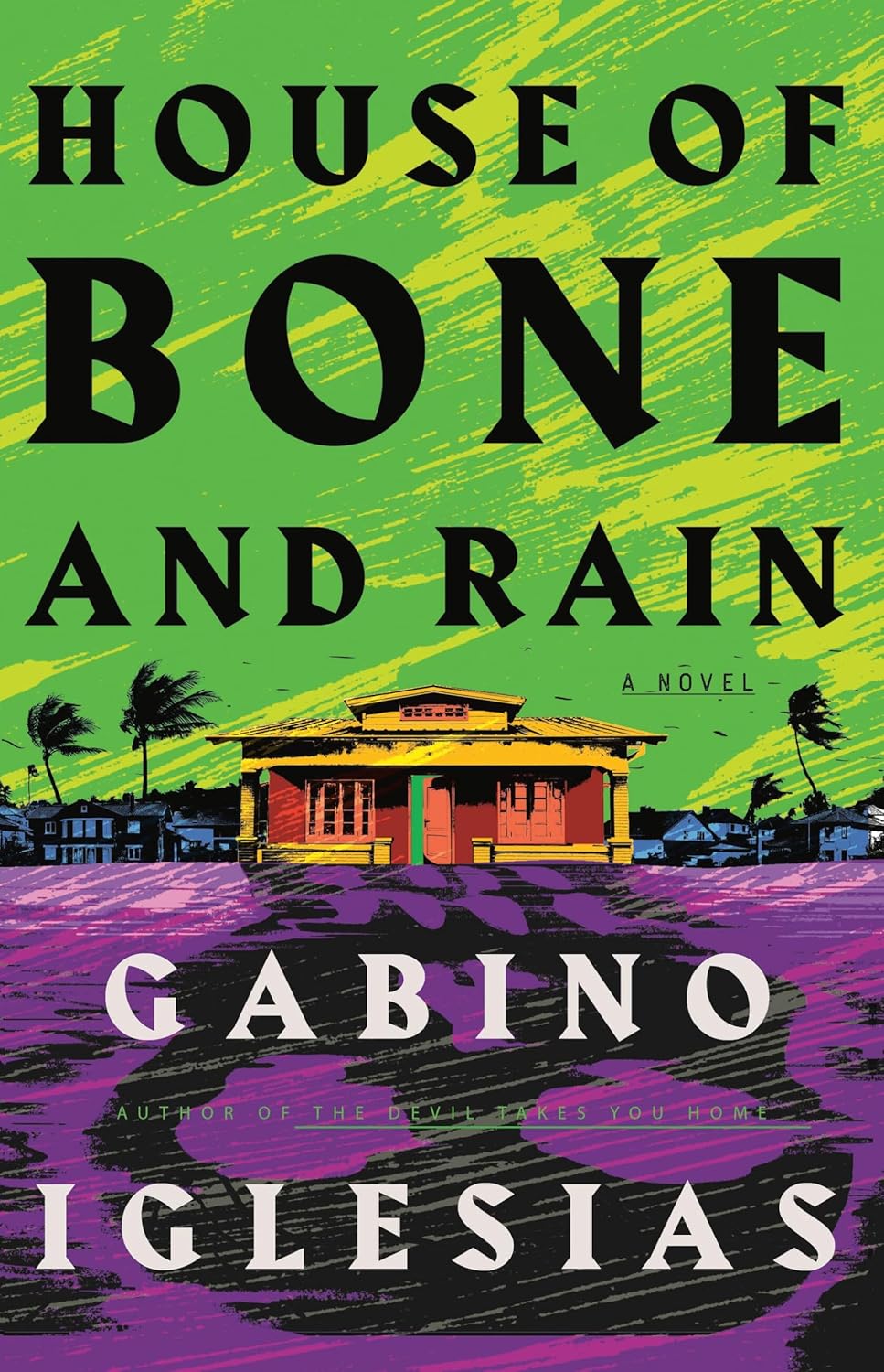
In this “stunningly visceral” (New York Times Book Review) novel, a group of young men seek vengeance after one of their mothers is murdered in a Puerto Rican slum; STAND BY ME with a haunted, obsidian-dark heart.
One of B&N’s Best Horror Books of the Year
For childhood friends Gabe, Xavier, Tavo, Paul, and Bimbo, death has always been close. Hurricanes. Car accidents. Gang violence. Suicide. Estamos rodeados de fantasmas was Gabe’s grandmother’s refrain. We are surrounded by ghosts. But this time is different. Bimbo’s mom has been shot dead. We’re gonna kill the guys who killed her Bimbo swears. And they all agree.
Feral with grief, Bimbo has become unrecognizable, taking no prisoners in his search for names. Soon, they learn Maria was gunned down by guys working for the drug kingpin of Puerto Rico. No one has ever gone up against him and survived. As the boys strategize, a storm gathers far from the coast. Hurricanes are known to carry evil spirits in their currents and bring them ashore, spirits which impose their own order.
Blurring the boundaries between myth, mysticism, and the grim realities of our world, House of Bone and Rain is a harrowing coming of age story; a doomed tale of devotion, the afterlife of violence, and what rolls in on the tide.
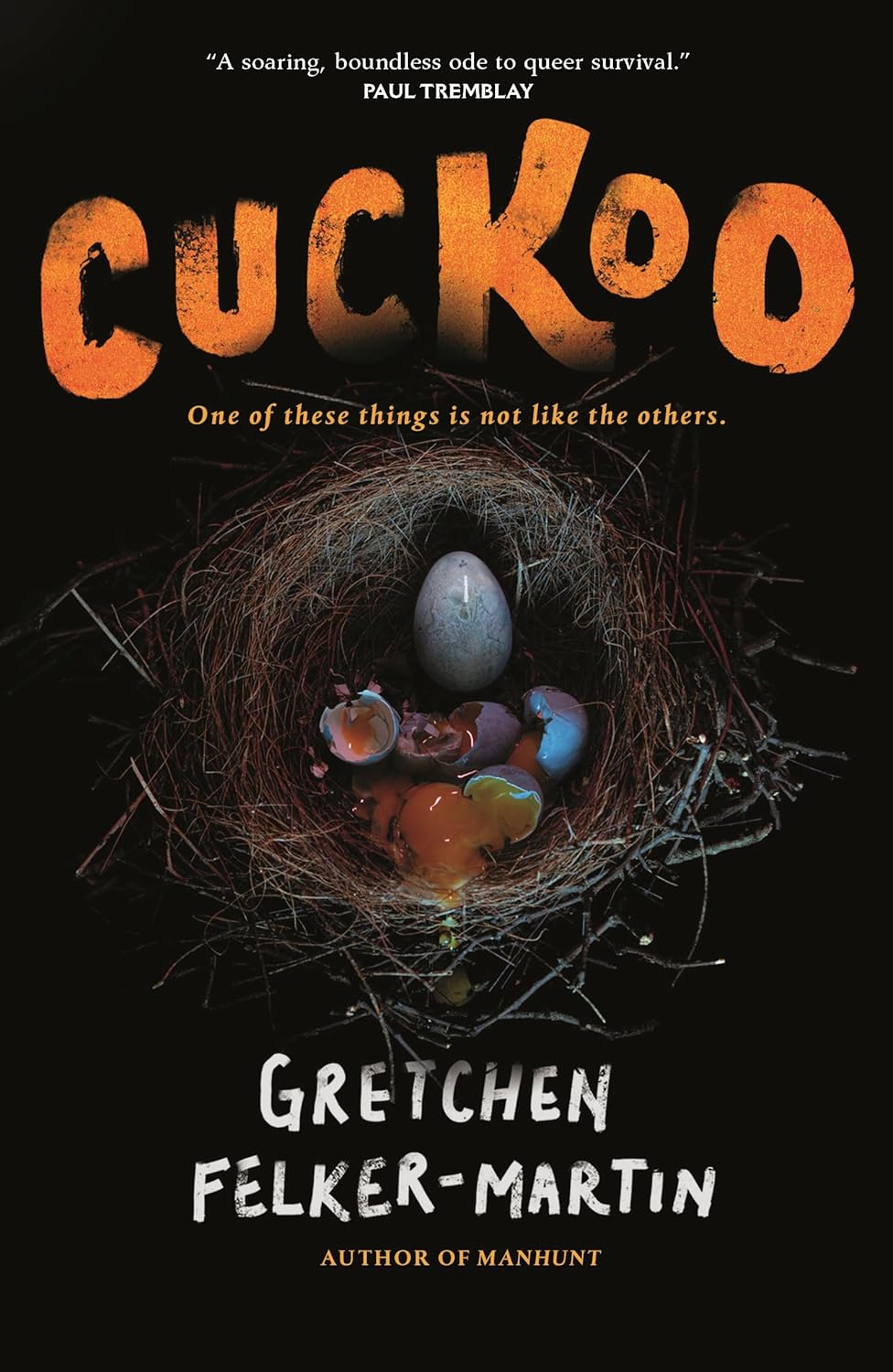
From Gretchen Felker-Martin, the acclaimed author of Manhunt, comes a vicious new novel about a group of teens who must stay true to themselves while in a conversion camp from hell.
“A soaring, boundless ode to queer survival. It’s flat-out mesmerizing.”―Paul Tremblay, author of The Pallbearers Club
Something evil is buried deep in the desert. It wants your body. It wears your skin.
In the summer of 1995, seven queer kids abandoned by their parents at a remote conversion camp came face to face with it. They survived―but at Camp Resolution, everybody leaves a different person.
Sixteen years later, only the scarred and broken survivors of that terrible summer can put an end to the horror before it’s too late.
The fate of the world depends on it.
“Tense and frighteningly visceral, Cuckoo is a masterwork of body horror thrumming with high octane viciousness.” ―Eric LaRocca, author of Things Have Gotten Worse Since We Last Spoke
A woman builds her lover from carefully scavenged pieces and parts. A young girl is groomed for madness by one who loves her most. A neurodivergent boy organizes his life, and loss, by the ticking of a clock. And love can be the most splendid and destructive force in the entire world.
Love is a Crematorium and Other Tales is a collection of seventeen stories that are both bleak and beautiful, devastating and sweet. Enter the crematorium to experience grief, starlit nights, and gorgeous tragedy that make our souls burn from the inside out.
One of Paste Magazine’s “Most Anticipated Horror Books of 2024”
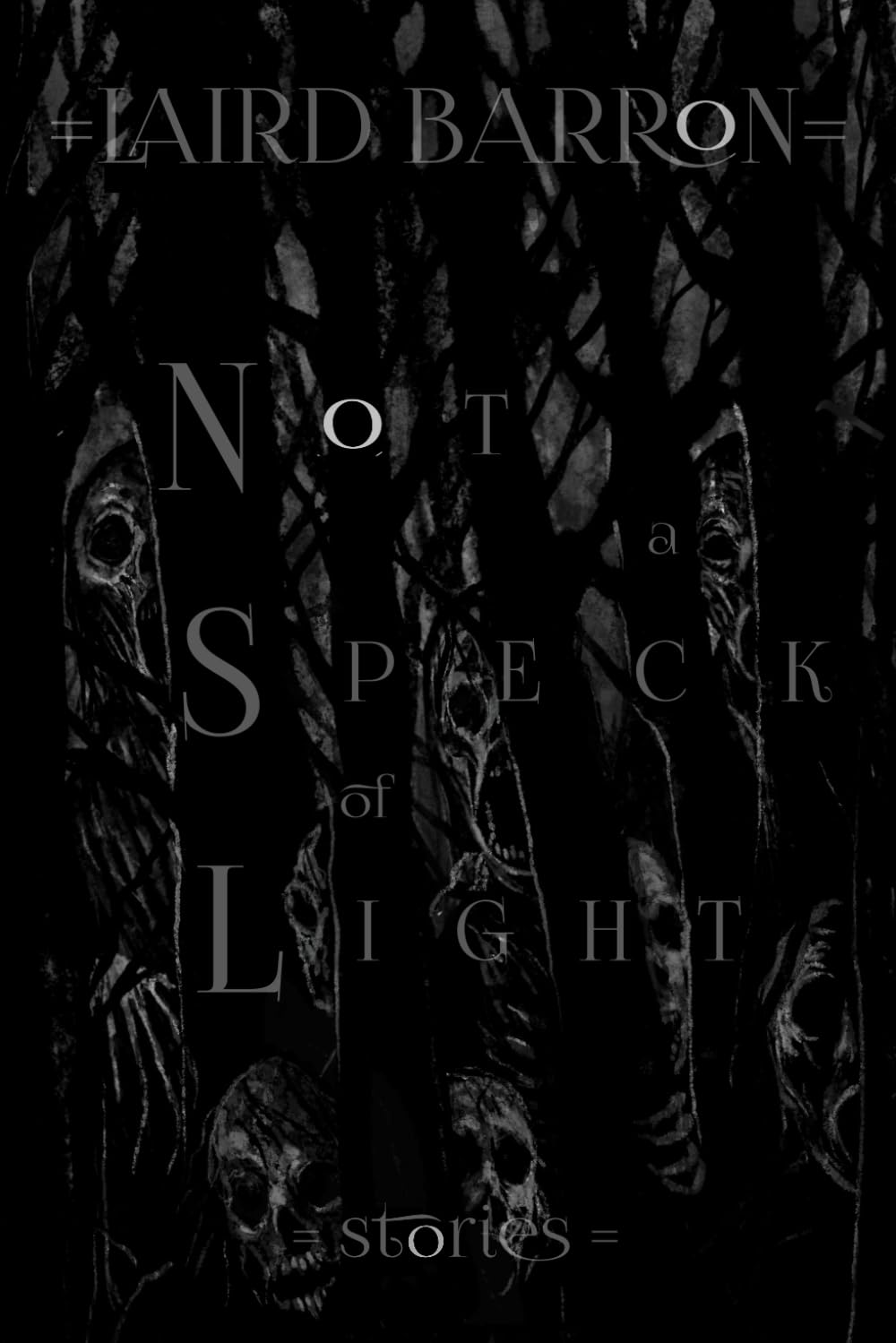
It’s about to get very dark.
Bram Stoker Award-winning author Laird Barron returns to the dark and dreadful with his fifth horror collection, which weaves sixteen weird tales into a mosaic of the bloody and the macabre.
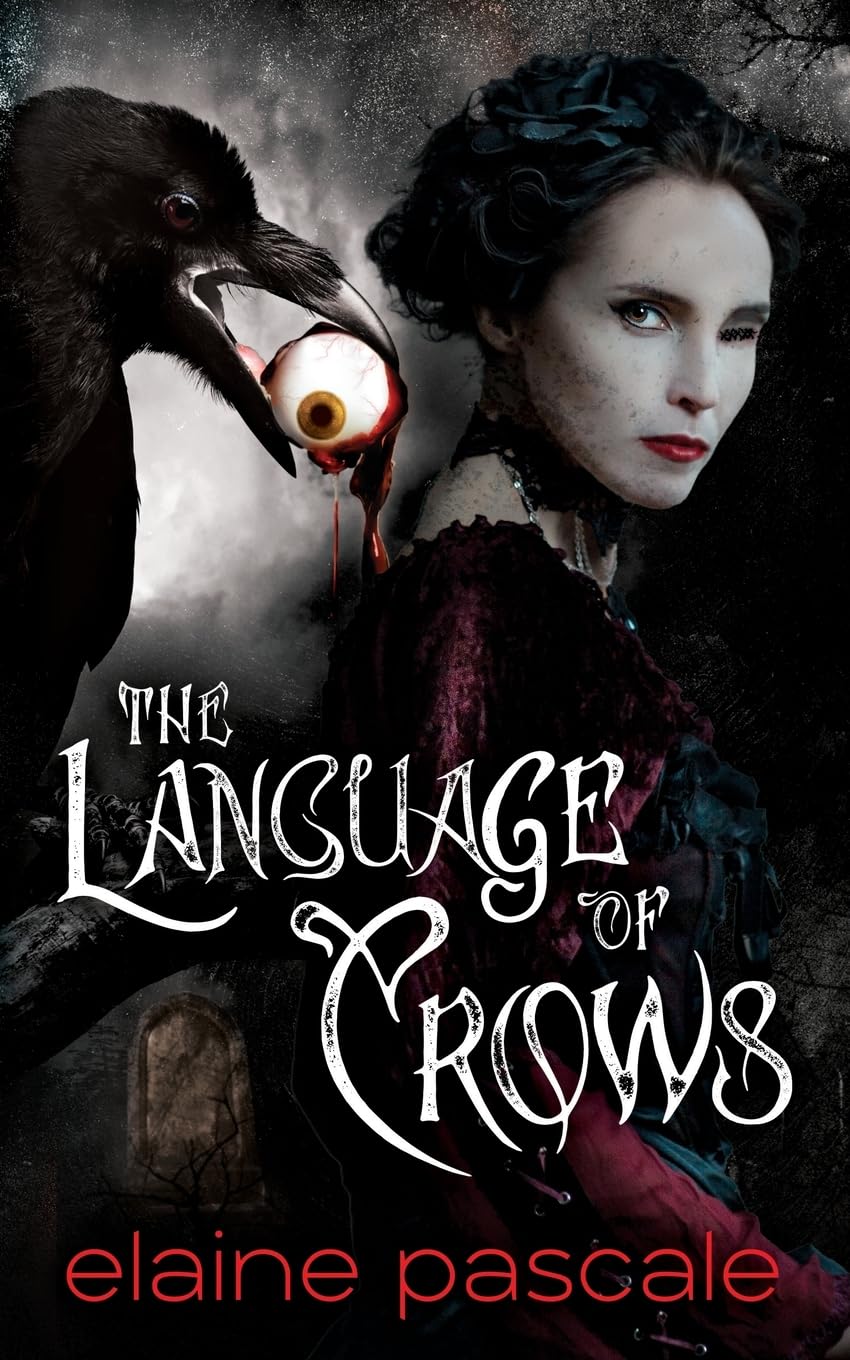
It is in the darkest moments, during the loss of hope, that the language of crows is most clearly heard. The words are as menacing as piercing beaks, the events as perilous as a sea of black feathers. The corvid tongue spreads diabolical thoughts and devious visions.
Legend has it that crows prophesize offenses of the worst kind, their harsh tones are harbingers of horror. Collectively, crows are a murder, and they call out orders about their own name. The Language of Crows and other stories contains dark fairy tales, historical horror, and psychological horror in voices of the violent and the violated. It is a collection of witches’ spells, monsters’ murmurs, and voices within one’s head.
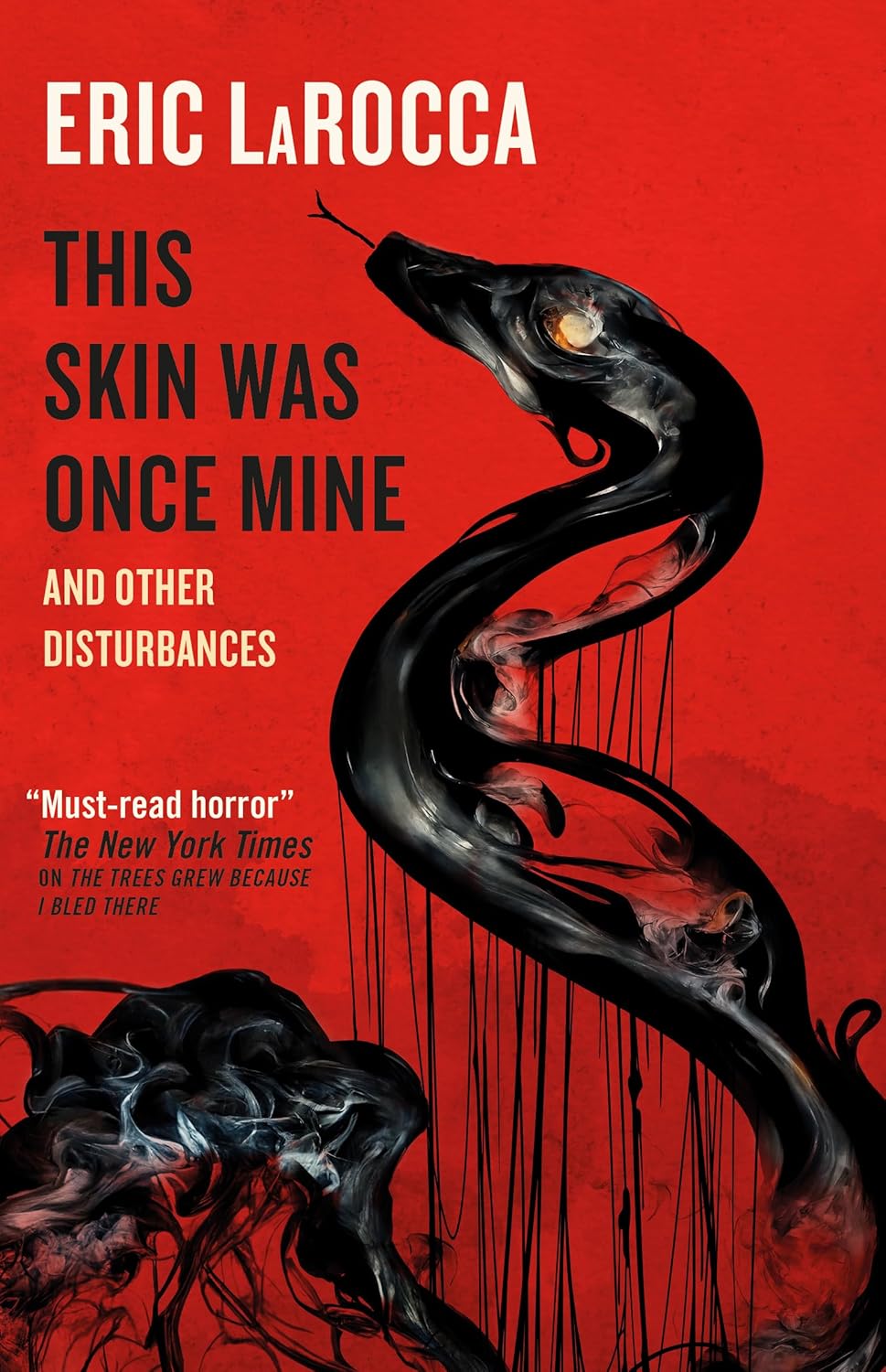
A brand-new collection of four intense, claustrophobic and terrifying horror tales from the Bram Stoker Award®-nominated and Splatterpunk Award-winning author of Things Have Gotten Worse Since We Last Spoke.
THIS SKIN WAS ONCE MINE
When her father dies under mysterious circumstances, Jillian Finch finds herself grieving the man she idolized while struggling to feel comfortable in the childhood home she was sent away from nearly twenty years ago. Then Jillian discovers a dark secret that will threaten to undo everything she has ever known about her father.
SEEDLING
A young man’s father calls him early in the morning to say that his mother has passed away. He arrives home to find his mother’s body still in the house. Struggling to process what has happened he notices a small black wound appear on his wrist. Then he discovers his father is cursed with the same affliction.
ALL THE PARTS OF YOU THAT WON’T EASILY BURN
Enoch Leadbetter goes to buy a knife for his husband to use at a forthcoming dinner party. He encounters a strange shopkeeper who draws him into an intoxicating new obsession and sets him on a path towards mutilation and destruction…
PRICKLE
Two old men revive a cruel game with devastating consequences…
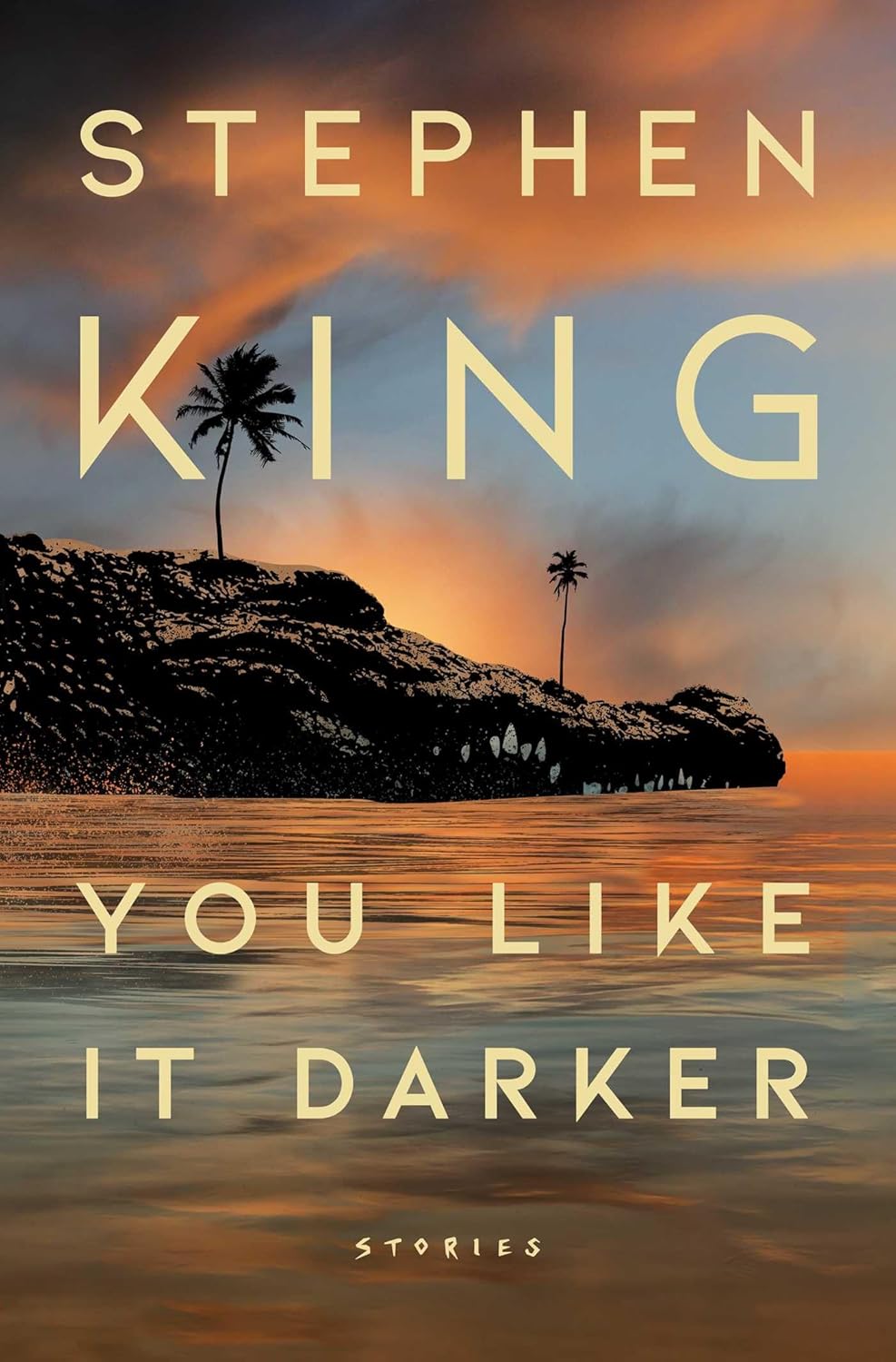
From legendary storyteller and master of short fiction Stephen King comes an extraordinary new collection of twelve short stories, many never-before-published, and some of his best EVER.
“You like it darker? Fine, so do I,” writes Stephen King in the afterword to this magnificent new collection of twelve stories that delve into the darker part of life—both metaphorical and literal. King has, for half a century, been a master of the form, and these stories, about fate, mortality, luck, and the folds in reality where anything can happen, are as rich and riveting as his novels, both weighty in theme and a huge pleasure to read. King writes to feel “the exhilaration of leaving ordinary day-to-day life behind,” and in You Like It Darker, readers will feel that exhilaration too, again and again.
“Two Talented Bastids” explores the long-hidden secret of how the eponymous gentlemen got their skills. In “Danny Coughlin’s Bad Dream,” a brief and unprecedented psychic flash upends dozens of lives, Danny’s most catastrophically. In “Rattlesnakes,” a sequel to Cujo, a grieving widower travels to Florida for respite and instead receives an unexpected inheritance—with major strings attached. In “The Dreamers,” a taciturn Vietnam vet answers a job ad and learns that there are some corners of the universe best left unexplored. “The Answer Man” asks if prescience is good luck or bad and reminds us that a life marked by unbearable tragedy can still be meaningful.
King’s ability to surprise, amaze, and bring us both terror and solace remains unsurpassed. Each of these stories holds its own thrills, joys, and mysteries; each feels iconic. You like it darker? You got it.
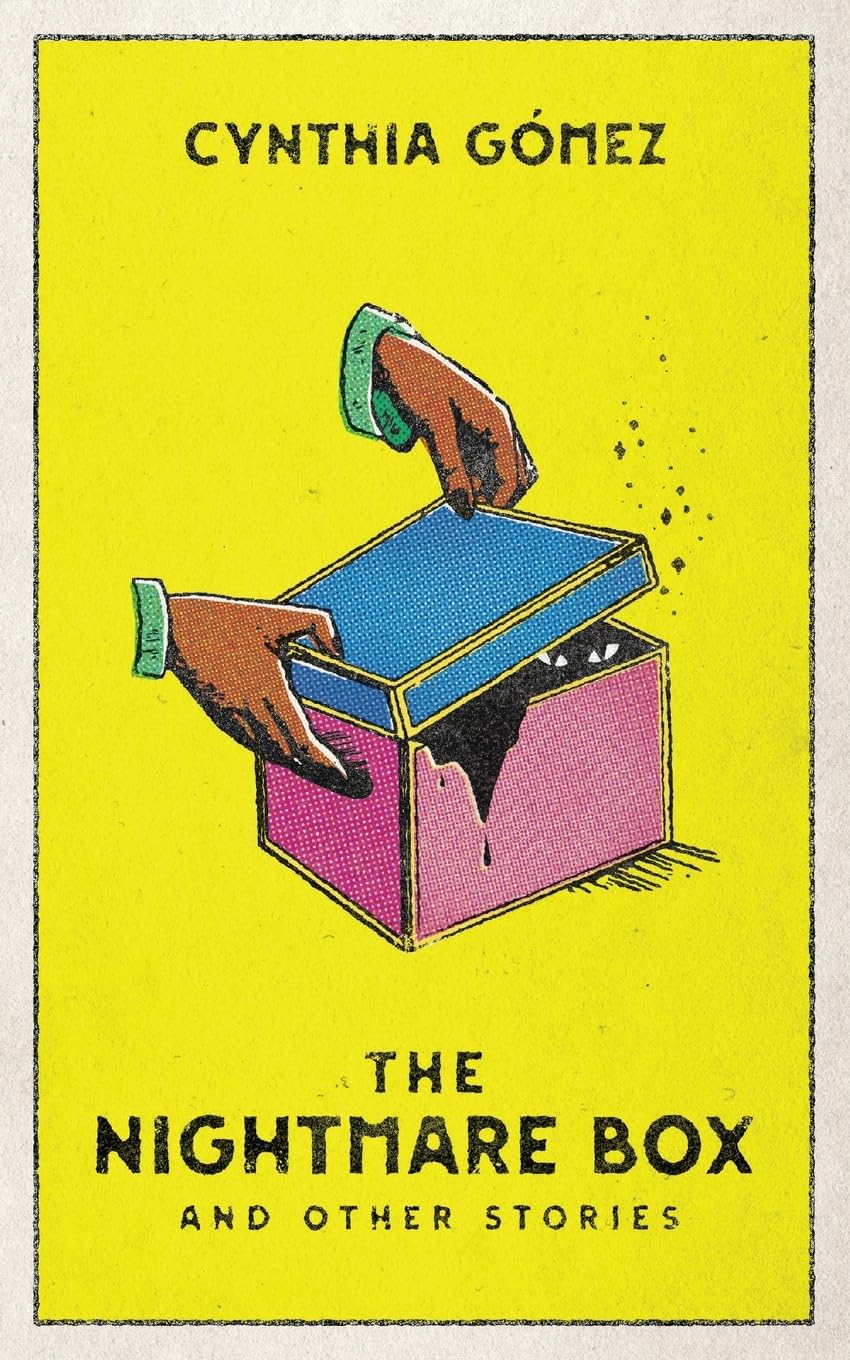
A young queer man finds love at a magical clothing shop-and the courage to stand up to the homophobic cops. A witch who makes custom nightmares wonders why all her victims are connected to the Black Panthers-and who she’s really working for. A soon-to-be father encounters a mysterious hitchhiker who tries pulling him back to the days of his violent past. A brand-new vampire, freshly hired at the blood bank, delights in her heightened sexual desire and superhuman strength.
Cynthia Gómez’s debut collection is a magic-soaked love letter to Oakland, brimming with feminist rage. Its twelve stories center ordinary people-Latine, queer, working class-as they wield supernatural powers against oppression, loneliness, and dread.
Christi Nogle has established herself as a modern Ray Bradbury, this collection adds fantasy, slipstream, and fabulism to her canon.
One Eye Opened in That Other Place collects Christi Nogle’s best weird and fantastical stories. The collection focuses on liminal spaces and the borders between places and states of mind. Though you might not find a traditional portal fantasy here, you will travel across thresholds and arrive at other places and times that are by turns disquieting, terrifying, and wonderful. Get up close with the local flora and fauna, peruse the weird art exhibits and special shows, and consider taking a dip in the mossy, snail-filled tank of water. Make sure to bring your special glasses
This new collection will appeal to readers of Jeff VanderMeer, Charles Wilkinson, Steve Rasnic Tem, M. Rickert, Lynda E. Rucker and Stephen King’s novel Lisey’s Story.
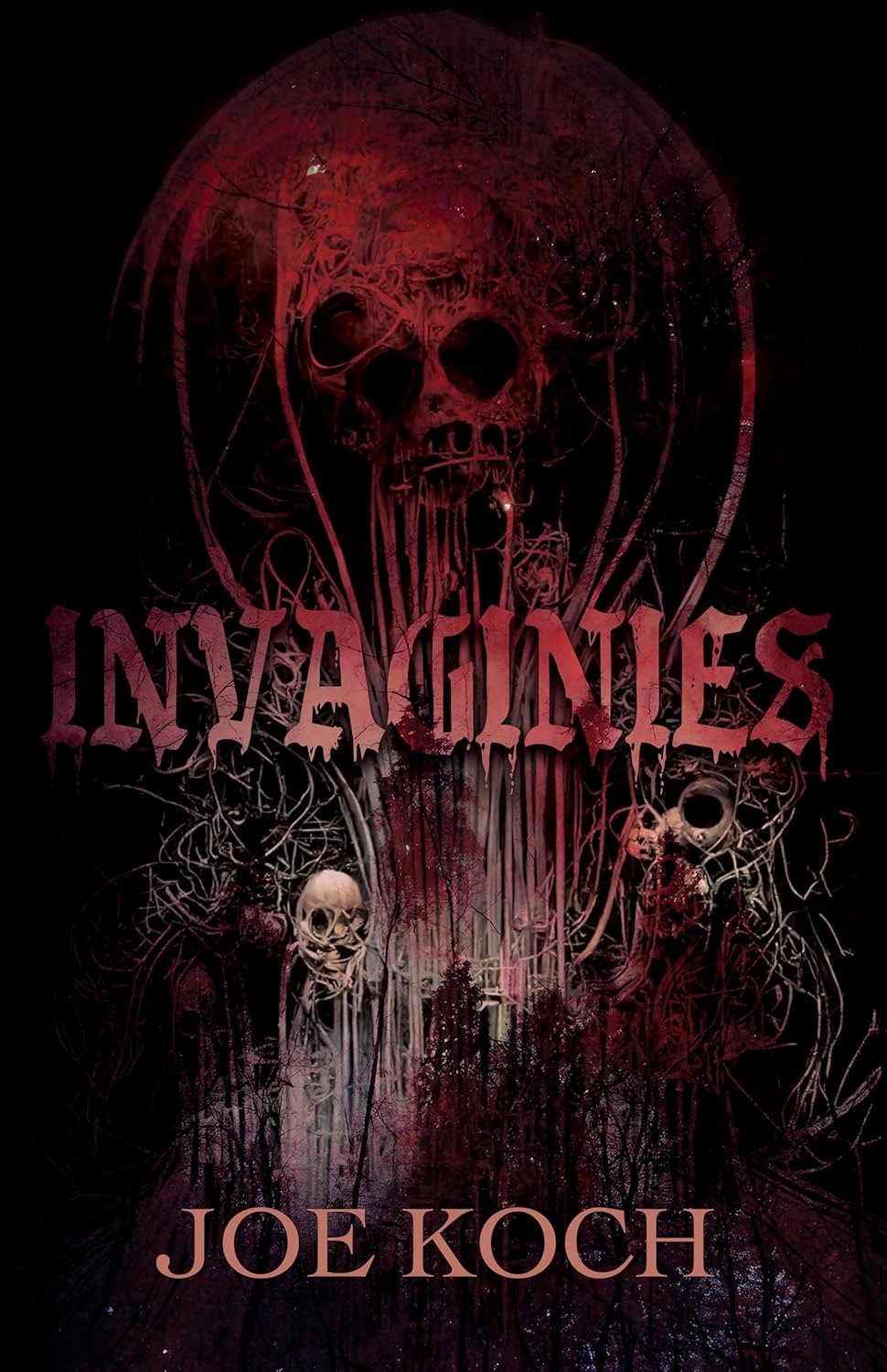
The Shirley Jackson Award-nominated author returns with a new collection of literary horror and weird fiction that glitters with startling prose and tortured souls.
Invaginies is an invasion, it is a perception that is bodily and transcendent creating holes, paths, or pockets of alternate truth-and not always voluntary–enlightenment.
Every line sings and strikes like grotesque poetry of the possessed. With 17 disturbing tales exploring plagues, possessions, gender & corruption, set in apocalyptic eras not much unlike our own, Joe Koch brings the terrors of a postmodern world into vivid focus.
Haunting and beautiful, Koch takes their place among the great names of the weird like Brian Evenson, exploring the queer perspective in horror as Billy Martin and Clive Barker, and contemporary rising voice, Eric LaRocca.
Literary prose meets the grotesque in this collection of stories to galvanize lovers of horror and weird fiction. With a growing cult audience, this collection is sure to shoot to the top of readers’ tbr piles.
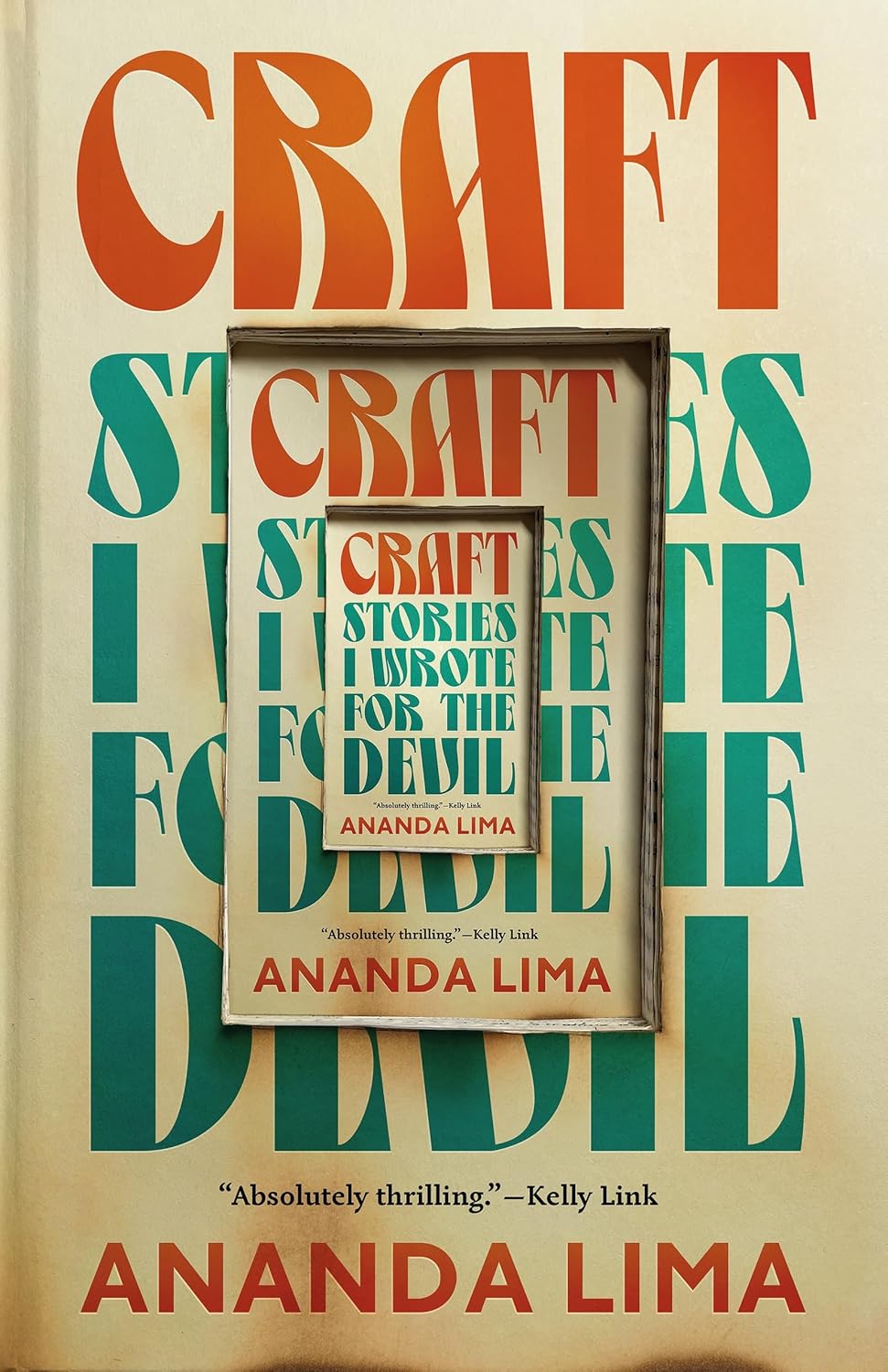
At a Halloween party in 1999, a writer slept with the devil. She sees him again and again throughout her life and she writes stories for him about things that are both impossible and true.
Lima lures readers into surreal pockets of the United States and Brazil where they’ll find bite-size Americans in vending machines and the ghosts of people who are not dead. Once there, she speaks to modern Brazilian-American immigrant experiences–of ambition, fear, longing, and belonging―and reveals the porousness of storytelling and of the places we call home.
With humor, an exquisite imagination, and a voice praised as “singular and wise and fresh” (Cathy Park Hong), Lima joins the literary lineage of Bulgakov and Lispector and the company of writers today like Ted Chiang, Carmen Maria Machado, and Nana Kwame Adjei-Brenyah.
Craft: Stories I Wrote for the Devil includes: “Rapture,” “Ghost Story,” “Tropicália,” “Antropógaga,” “Idle Hands,” “Rent,” “Porcelain,” “Heaven, Hell, and Purgatory,” and “Hasselblad.”
A great next read for fans of Carmen Maria Machado’s Her Body and Other Parties and V. E. Schwab’s The Invisible Life of Addie LaRue.
Recommended reading by Chicago Review of Books, Electric Literature, The Kenyon Review, and more!
Zip up your human suit and set sail, imbibing every perspective you can
in order to perfect the persona.
Push to the outer edges. Document your travels, and forget to return.
There will be a test.
Learn what it means to be human.
Forget what it means to be human.
Learn what it means to be human.
Forget what it means to be human.
Do not panic.
BRAVE NEW WEIRD: The Best New Weird Horror, Volume Two encompasses the finest Weird speculative fiction published in (roughly) 2023. Edited by Alex Woodroe.
Table of contents:
Nelly Geraldine García-Rosas – Lullaby for the Unseen
Thomas Ha – In That Crumbling Home
Hussani Abdulrahim – The Library Virus
Patrick Malka – Show Me
Eirik Gumeny – A Balanced Breakfast
David Simmons – Food is Poison
Premee Mohamed – Quietus
Perfect Kiss Strickoll – punctum (o baked alaska for you i am a former american)
LC von Hessen – Transmasc of the Red Death
Simone le Roux – The Man Outside
KS Walker – River Bargain Baby
M.M. Olivas – The Prince of Oakland
Amitha Jagannath Knight – My Mother, The Exoskeleton
Rachael K. Jones – The Sound of Children Screaming
Judith Shadford – Endless Yearning
Daniel DeRock – Guest Opinion: We must take action regarding the [REDACTED] High School janitor
Geneve Flynn – A Box of Hair and Nail
Anemone Moss – Everything You Dump Here Ends Up in the Ocean
Karlo Yeager Rodríguez – Up In the Hills, She Dreams of Her Daughter Deep In the Ground
If books have no power, why are they trying so hard to keep them from people?
4,240 unique book titles were targeted for censorship or banning in 2023 alone.
Shadows in the Stacks was published to raise funds for the Books Unbanned Initiative through the Library Foundation SD. All proceeds from sales go to the Library Foundation SD.
This collection of terrifying tales was edited by Vincent V. Cava, James Sabata, and Jared Sage, with a foreword by Laurel Hightower, and features all-new stories from…
Kevin David AndersonZachary AshfordS.A. BradleyBridget D. BraveKel ByronVincent V. CavaClay McLeod ChapmanRebecca CuthbertAlexis DuBonJamie FlanaganDouglas FordEvelyn FreelingAi JiangLucy LeitnerJonathan MaberryJ.A.W. McCarthyTim McGregorJohn PalisanoJames SabataWilliam SterlingAlvaro Zinos-Amaro
Each limb tells a story. Every organ shares a secret.
A woman saves the leg of her dead child. A man leaps from soul to soul, trying to find a pure heart. Uteri wander, skin peels back, and human bodies liquify all over this world.
Slice into the anatomy of this collection to discover all the unseen horrors the human body can deliver.
Brand new stories from Alex Wolfgang, Ai Jiang, Mary Rajotte, Julie Sevens, Christopher O’Halloran, Sasha Brown, Bridget D. Brave, Taylor Ketterer, Demi-Louise Blackburn, Lindsey Ragsdale, Emma E. Murray, Johnathon Heart, P.L. McMillan, Rachel Searcey, Bryan Young, Kai Delmas, and David Worn, with a foreword from Paula D. Ashe.
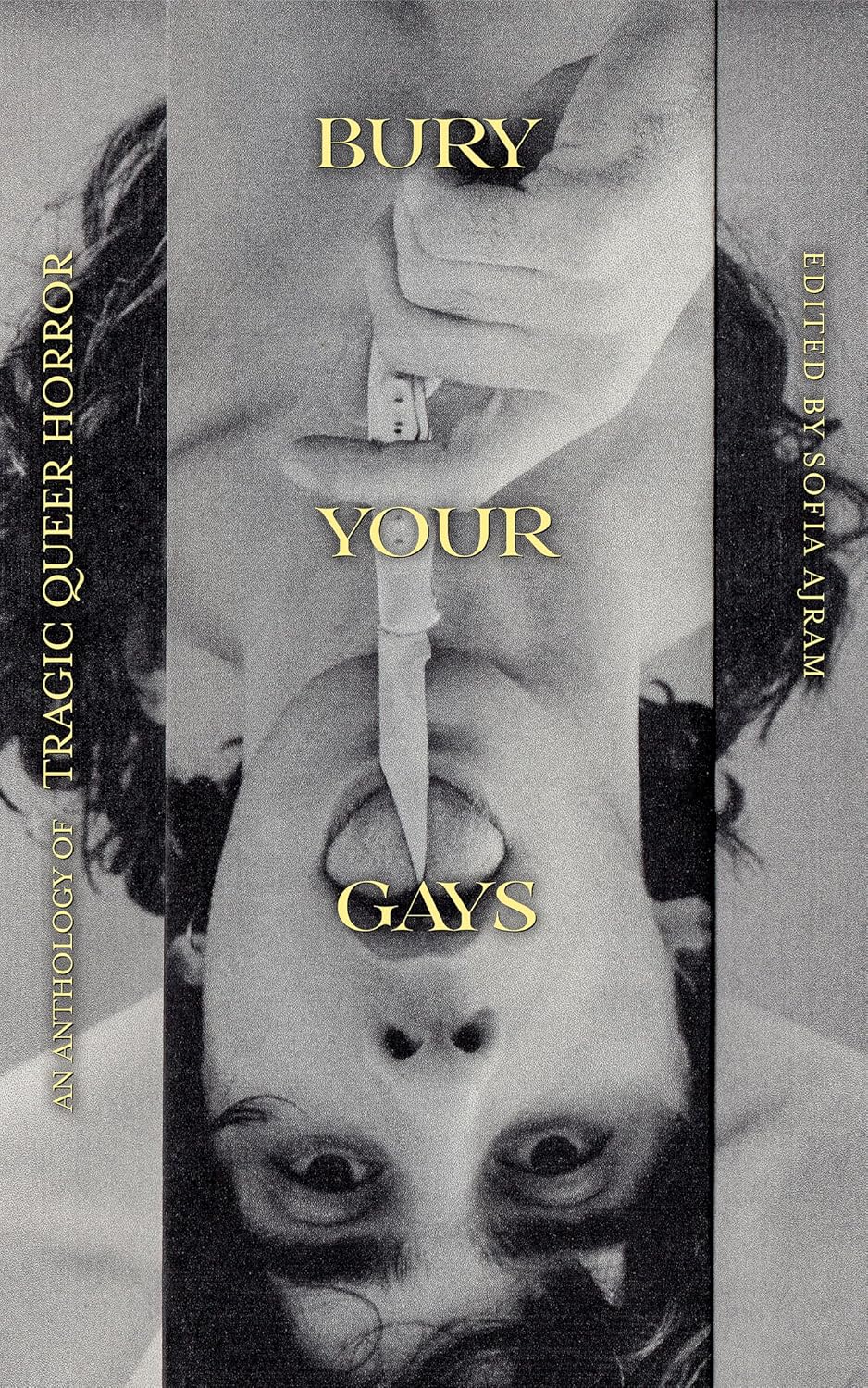
Bury Your Gays: An Anthology Of Tragic Queer Horror
Bury Your Gays: An Anthology Of Tragic Queer Horror
Ghoulish Books
A manifestation of ecstasy, heartache, horror and suffering rendered in feverish lyrical prose. Inside are sixteen new stories by some of the genre’s most visionary queer writers. Young lovers find themselves deliriously lost in an expanding garden labyrinth. The porter of a sentient hotel is haunted within a liminal time loop. A soldier and his abusive commanding officer escape a war in the trenches but discover themselves in an even greater nightmare. Parasites chase each other across time-space in hungry desperation to never be apart. A graduate student with violent tendencies falls into step with a seemingly walking corpse. Featuring stories from Cassandra Khaw, Joe Koch, Gretchen Felker-Martin, Robbie Banfitch, August Clarke, Son M., Jonathan Louis Duckworth, M.V. Pine, Ed Kurtz, LC Von Hessen, Matteo L. Cerilli, November Rush, Meredith Rose, Charlene Adhiambo, Violet, and Thomas Kearnes.
It’s the question asked of any story about a haunting: why didn’t you just leave? But if accounts of people who have stayed in haunted houses are any indication … it’s never that simple.
In this book, you’ll find twenty-two all-new stories about the reasons people don’t leave scary situations-parents who stay in haunted houses to protect their children, convicts who literally can’t leave their prison, retail workers who need a paycheck even if it’s from a haunted workplace, trauma survivors suffering from agoraphobia, and more.
Featuring Shauntae Ball, I.S. Belle, Die Booth, Max Booth III, Christa Carmen, Raquel Castro, Alberto Chimal, Gabe Converse, Lyndsey Croal, Victoria Dalpe, Alexis DuBon, Corey Farrenkopf, Cassandra Khaw, Joe Koch, E.M. Linden, Steve Loiaconi, R. Diego Martinez, J.A.W. McCarthy, Suzan Palumbo, Tonia Ransom, Rhiannon Rasmussen, and Eden Royce. With illustrations by Luke Spooner, Yves Tourigny, and Yornelys Zambrano.
We Mostly Come Out At Night: 15 Queer Tales of Monsters, Angels & Other Creatures
We Mostly Come Out At Night: 15 Queer Tales of Monsters, Angels & Other Creatures
Running Press Kids
An empowering cross-genre YA anthology that explores what it means to be a monster, exclusively highlighting trans and queer authors who offer new tales and perspectives on classic monster stories and tropes.
Be not afraid! These monsters, creatures, and beasties are not what they appear. We Mostly Come Out at Night is a YA anthology that reclaims the monstrous for the LGBTQA+ community while exploring how there is freedom and power in embracing the things that make you stand out. Each story centers on both original and familiar monsters and creatures—including Mothman, Carabosse, a girl with thirteen shadows, a living house, werebeasts, gorgons, sirens, angels, and many others—and their stories of love, self-acceptance, resilience, and empowerment. This collection is a bold, transformative celebration of queerness and the creatures that (mostly) go bump in the night.
Contributors include editor Rob Costello, Kalynn Bayron, David Bowles, Shae Carys, Rob Costello, H.E. Edgmon, Michael Thomas Ford, Val Howlett, Brittany Johnson, Naomi Kanakia, Claire Kann, Jonathan Lenore Kastin, Sarah Maxfield, Sam J. Miller, Alexandra Villasante, and Merc Fenn Wolfmoor.
The Black Girl Survives In This One: Horror Stories
The Black Girl Survives In This One: Horror Stories
Flatiron Books
Be warned, dear reader: The Black girls survive in this one.
Celebrating a new generation of bestselling and acclaimed Black writers, The Black Girl Survives in This One makes space for Black girls in horror. Fifteen chilling and thought-provoking stories place Black girls front and center as heroes and survivors who slay monsters, battle spirits, and face down death. Prepare to be terrified and left breathless by the pieces in this anthology.
The bestselling and acclaimed authors include Erin E. Adams, Monica Brashears, Charlotte Nicole Davis, Desiree S. Evans, Saraciea J. Fennell, Zakiya Dalila Harris, Daka Hermon, Justina Ireland, L.L. McKinney, Brittney Morris, Maika & Maritza Moulite, Eden Royce, and Vincent Tirado. The foreword is by Tananarive Due.
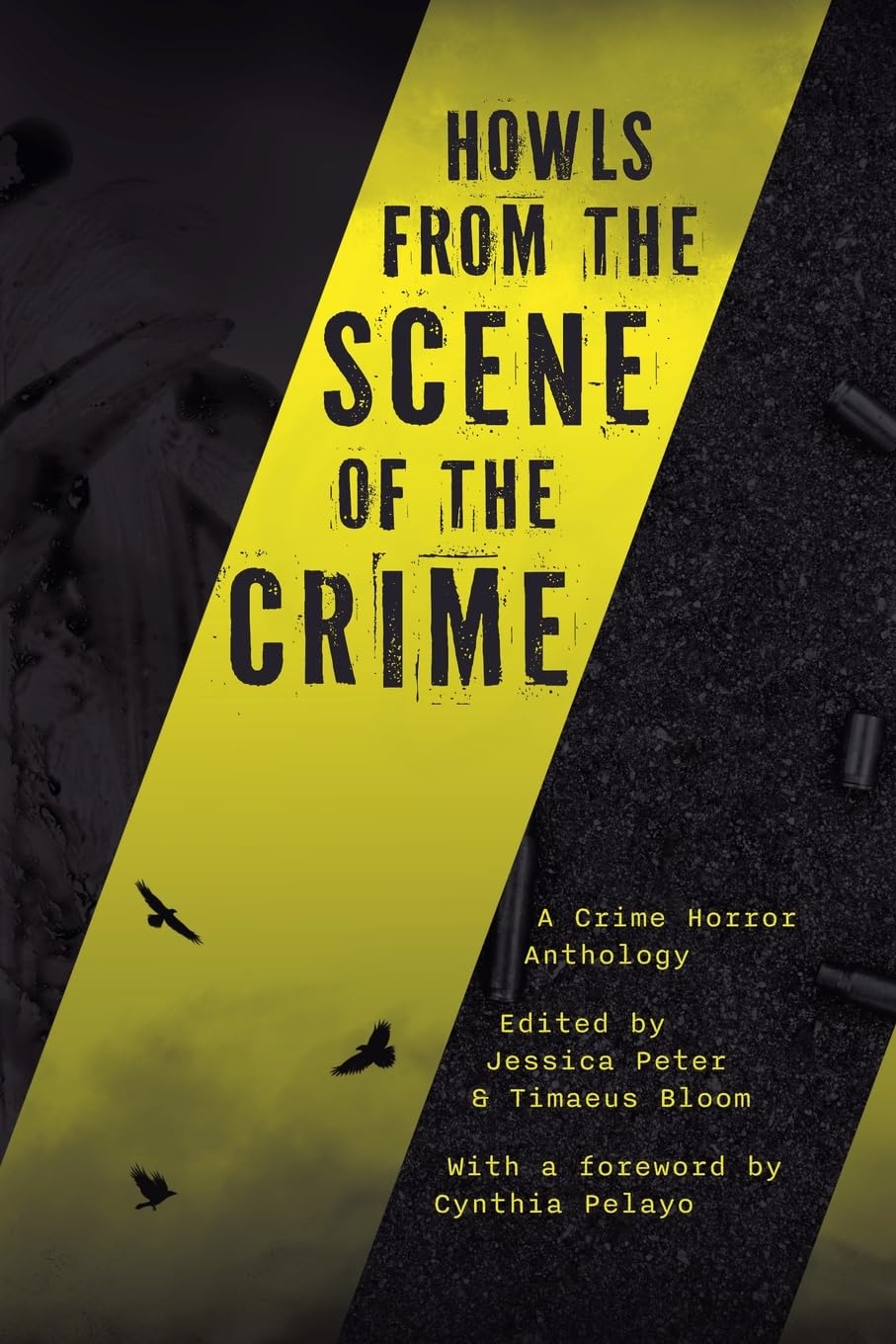
Howls From The Scene Of The Crime: A Crime Horror Anthology
Howls From The Scene Of The Crime: A Crime Horror Anthology
Howl Society Press
A death row cell that recounts the dark stories of its inmates. An informant who consumes shards of crystallized skulls to see the past. A world where to speak of the dead is a violation of an unjust society’s rules. Heists, drugs, cults, detectives, murder, monsters, revenge.
Commit yourself to Howls from the Scene of the Crime, an anthology of crime horror laced with blood, secrets, and occult compulsions from some of the best established and emerging horror authors writing today. Featuring a foreword by Bram Stoker Award(R) winning crime horror author, Cynthia Pelayo.
Beyond The Bounds Of Infinity: An Anthology of Diverse Horror
Raw Dog Screaming Press
Welcome to a world of horror viewed through a kaleidoscope lens. Embark on a journey to untangle the writhing tendrils of human terror in a dimension where the possible and impossible blend-an unstable realm where comfort can be found in the coldest pits, and dark gods feast upon the sweetest suffering-where infernal sounds birth silent letters that drift along midnight shores and the unexplained lurks beneath crumbling urban structures. Step over the edge of what you think you know, and find yourself…Beyond the Bounds of Infinity!
Featuring stories by L. Marie Wood, S.A. Cosby, Jessica McHugh, and Mary SanGiovanni-alongside newer voices like Cassius Kilroy, Jessica L. Sparrow, and Vicky Velvet-Beyond the Bounds of Infinity offers a collection of weird fiction and cosmic horror stories that are diverse down to the cellular level. From Taíno folk horror to the horror of identity in a world that just doesn’t understand, from cozy to apocalyptic, and everything in between, let these authors show you what fear really is, and what it means to them.