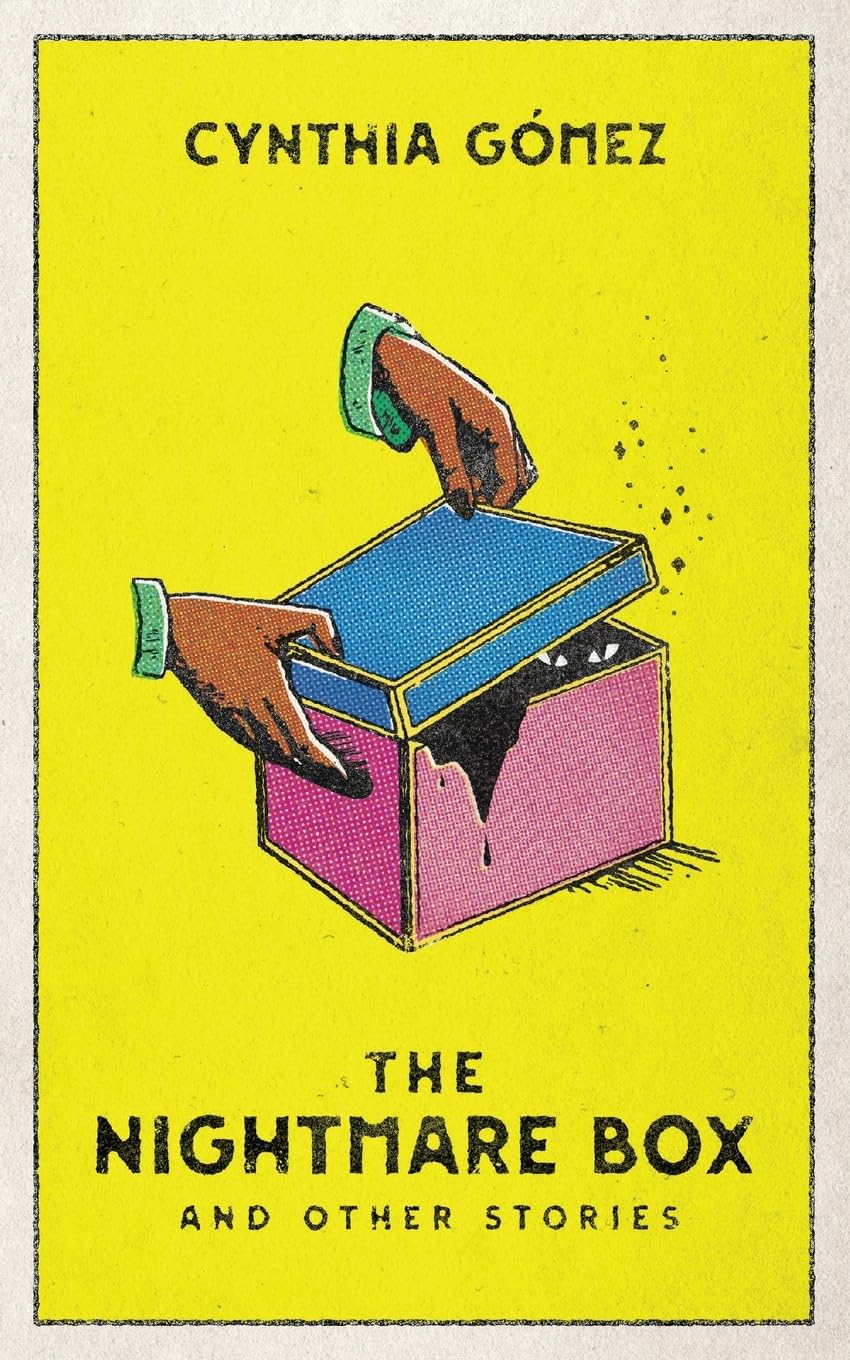
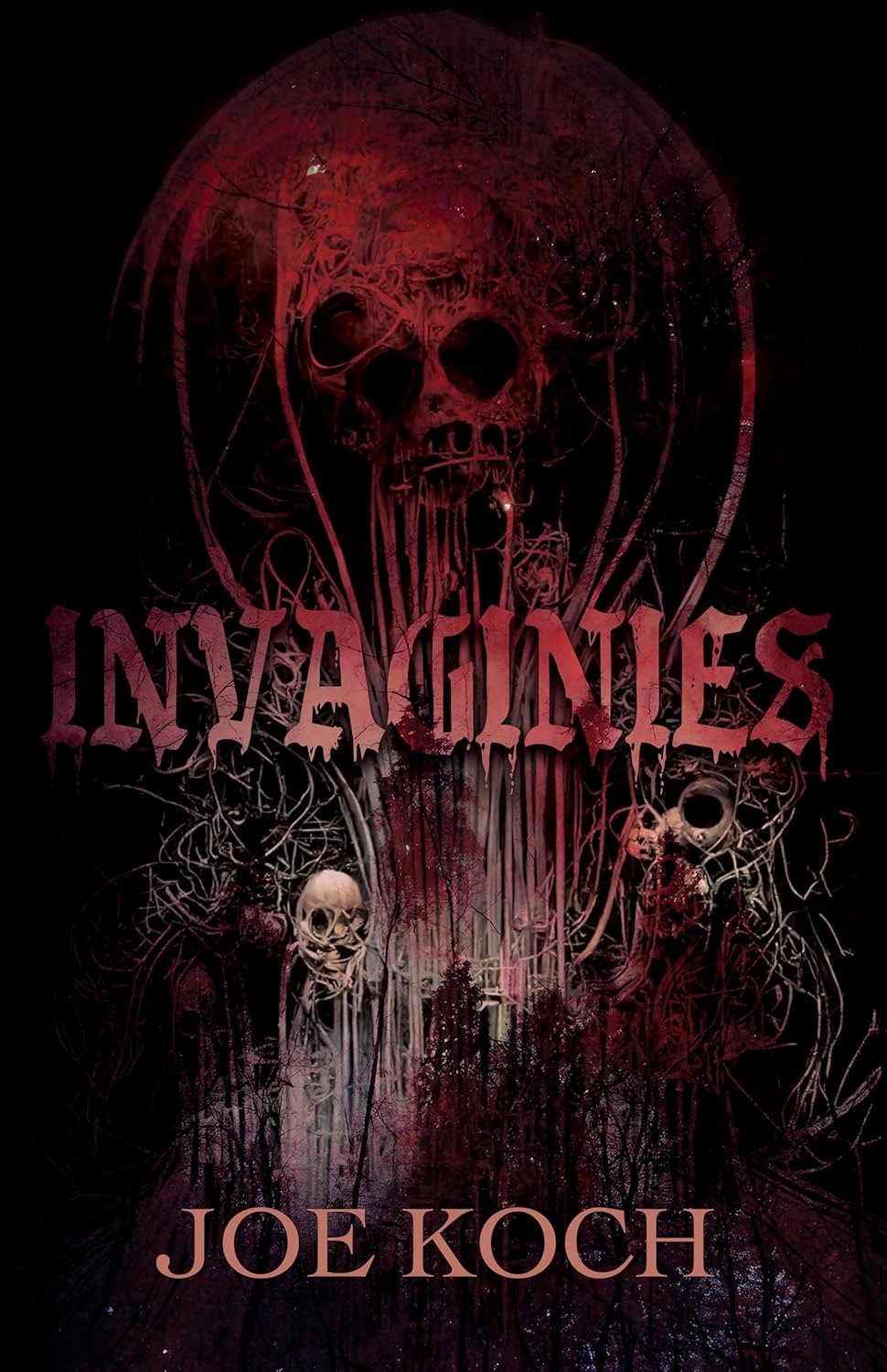
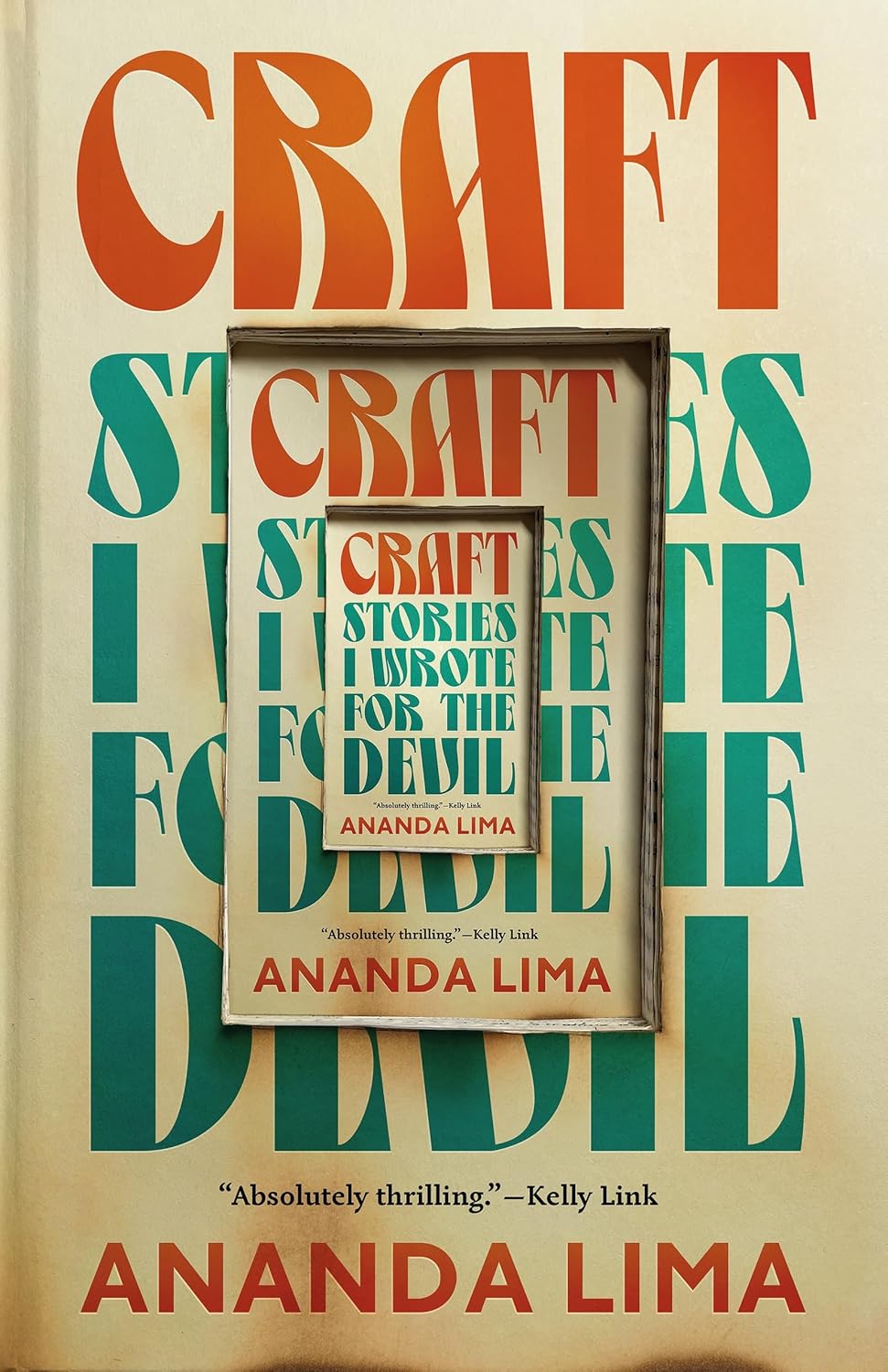
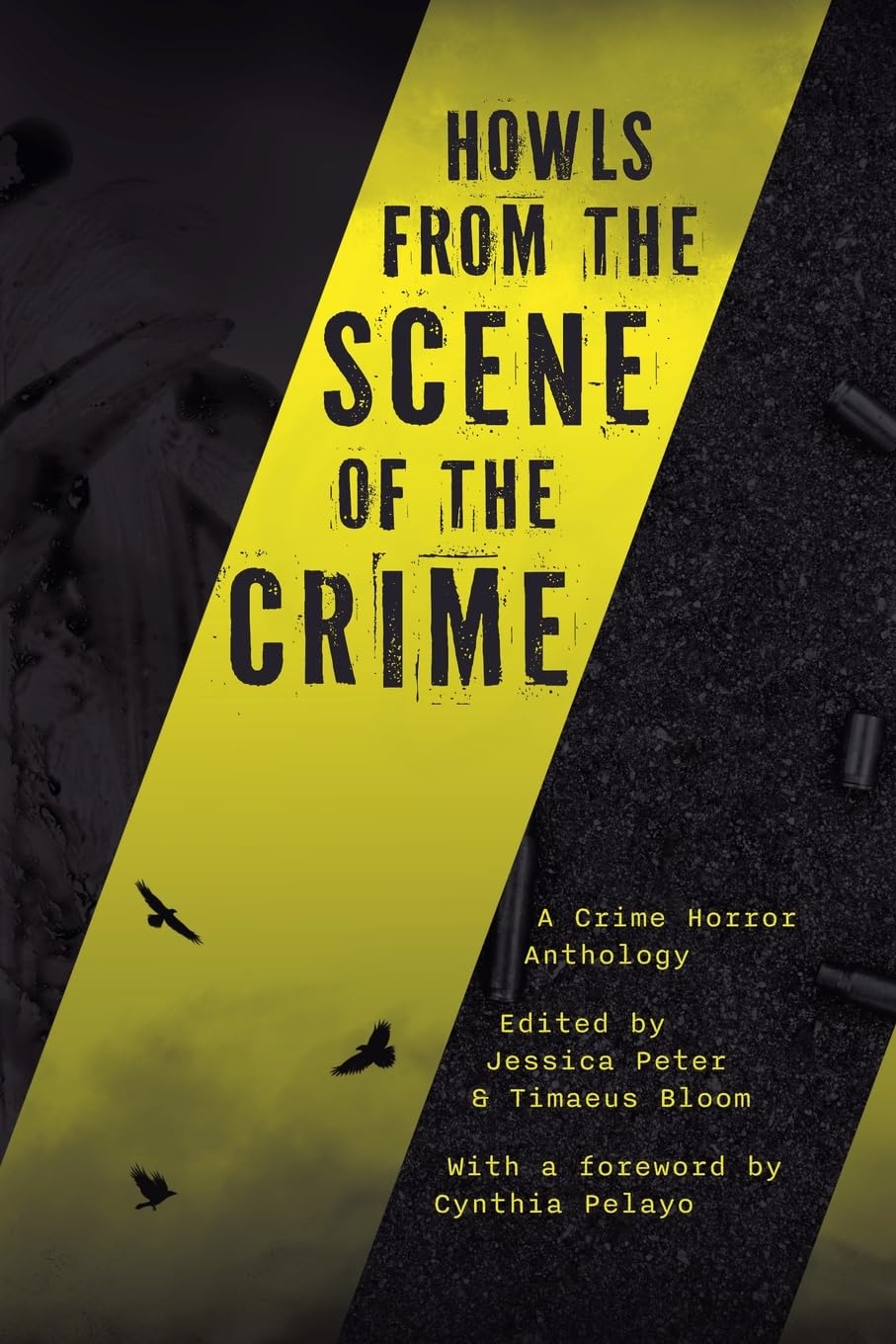
Lost Ghosts is #54 in Genre Anthologies on Amazon today! If you haven’t gotten ahold of this dark anthology of decay and despair, get your Kindle copy today!

LOST GHOSTS: Stories 2012-2014
Seven quiet horror stories of collapse, paranoia, and the slow decay of the modern world.
These are the stories of what lurks in the near future, waiting to haunt us.
Tommy delivers poison by bike in a dying town
Jason donates to a charity that may not exist
Johannes erases people from memory
Dakota’s trial airs live to a voting public
Steve’s wife is pregnant, and no one else is
Jack blacks out after stargazing, and people vanish
Farsi guides strangers through the ruins of Toronto
Lost Ghosts is a collection of seven dark, twisted horror short stories set in a world quietly falling apart.
From decaying towns to cursed technology to the slow death of civilization itself, these stories bring horror out of the future and into the everyday.
For fans of Black Mirror, the Twilight Zone, and the Outer Limits.
Need convincing? Read an excerpt from “9th Street Blues” from Lost Ghosts below:
Dawn greeted him like blood boiling out of the eastern horizon, filtered through thick grey clouds and possessed of a dreadful quality. He pushed his bike along the cracked expanse of 9th Street, bathed in that fresh crimson glow and driven into wakefulness by a hot, arid breeze blowing up from the south behind him.
In his mind he was not piloting a filthy, cracked old mountain bike; he was roaring down 9th Street on a chopper, a loud Harley whose scream woke up everyone like the cry of an apocalyptic rooster. He was Tommy Fellino, scourge of the Oklahoma panhandle, last outlaw rider of the Midwest. He hit a bump in the road and skidded out of control. He landed in a heap next to a crumbling section of the curb, saved from breaking a bone by youth and the precise way in which he landed.
He sat up shivering in the street. He was not on a Harley; he could not remember the last time he’d seen a Harley. Probably when Ace Carlson had gone west, not since then. There wasn’t anyone left on the street to wake up anymore, either. He looked around at the houses bordering 9th Street and saw squat bungalows with weather-torn siding sitting on flat lawns where green grass had given way to brown desert and grey dirt. Many of the houses were barred by sheets of plywood, abandoned except for knocking echoes and memories etched in fallen dust. Dotted amongst these dreary, sagging bungalows were houses that had windows and doors free of barricades. These houses had vehicles parked beside them – mainly thick pickup trucks on four puddled flats – covered in dents, scratches, and patches of rust. The dawn-light shimmered off of them, and as Tommy climbed back onto his bike and resumed pedalling his eyes were struck at intervals by the hard glint of what little chrome remained on the bodies. There was not one vehicle in good repair; Gus Anderson was the last real mechanic still in Woodward, and Tommy would not have trusted him to change his bike chain. They weren’t going anywhere anyway.
He pedalled along the street for a few minutes and on his left the sad parade of sagging bungalows gave way to the grounds of the old public school. The cracked red brick was stained with fifteen years accumulated weather and grime, and the windows on the ground floor were boarded up with those same sheets of cheap plywood. Every available inch of space on that ground floor was covered in a neon-coloured graffiti scrawl.
He stashed his bike behind a riotous outgrowth of bush. Along the front of the school were five tall vertical windows covered in patches of spraypainted wood. Next to these were a pair of shorter windows stacked on top of each other and separated by a thin strip of brick. The lower right corner of the plywood covering the bottom window was loose, and Tommy pried it upwards to gain access.
The hallway beyond was dim and deserted. Desks and chairs lay scattered throughout, and papers littered the spaces on the floor around them. He brought a small flashlight out to navigate by and found his way to the basement door at the end of the hall. There was a loudly written note scrawled on ragged scrap paper taped to the door.
“TOMMY,” it read, “YOU HAVE SOME EXPLAINING TO DO.” He glared at the note, muttered a brief curse, and made his way into the basement.